



By E. Maestro
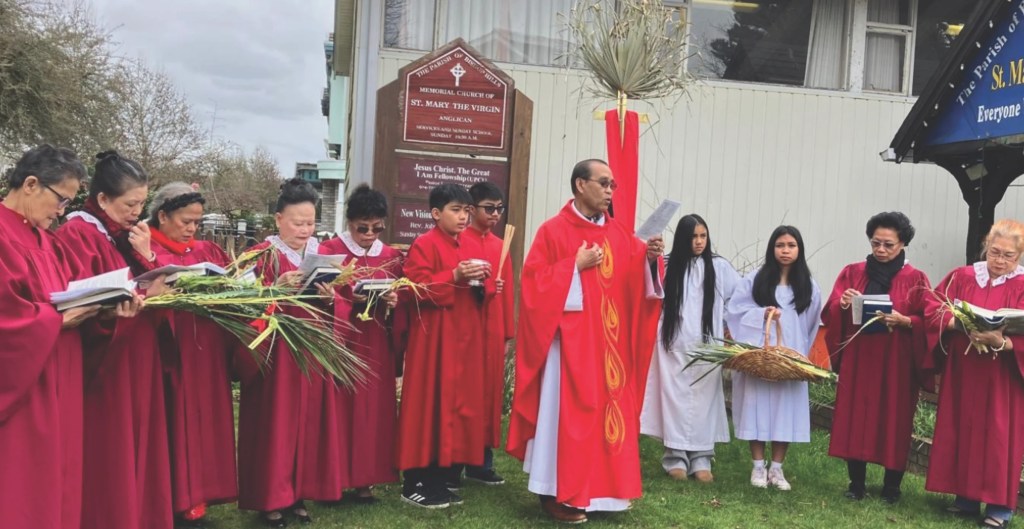
Holy Week is always a time of reflection and prayer. It begins with Palm Sunday which marks Jesus’ entrance to Jerusalem, which is followed by his arrest, torture, crucifixion and death on the cross. The Passion of Christ ends with his Resurrection or the celebration of Easter.
Christian churches mark the week with the saying of prayers, the washing of the feet, making the stations of the cross, and doing the Easter vigil.
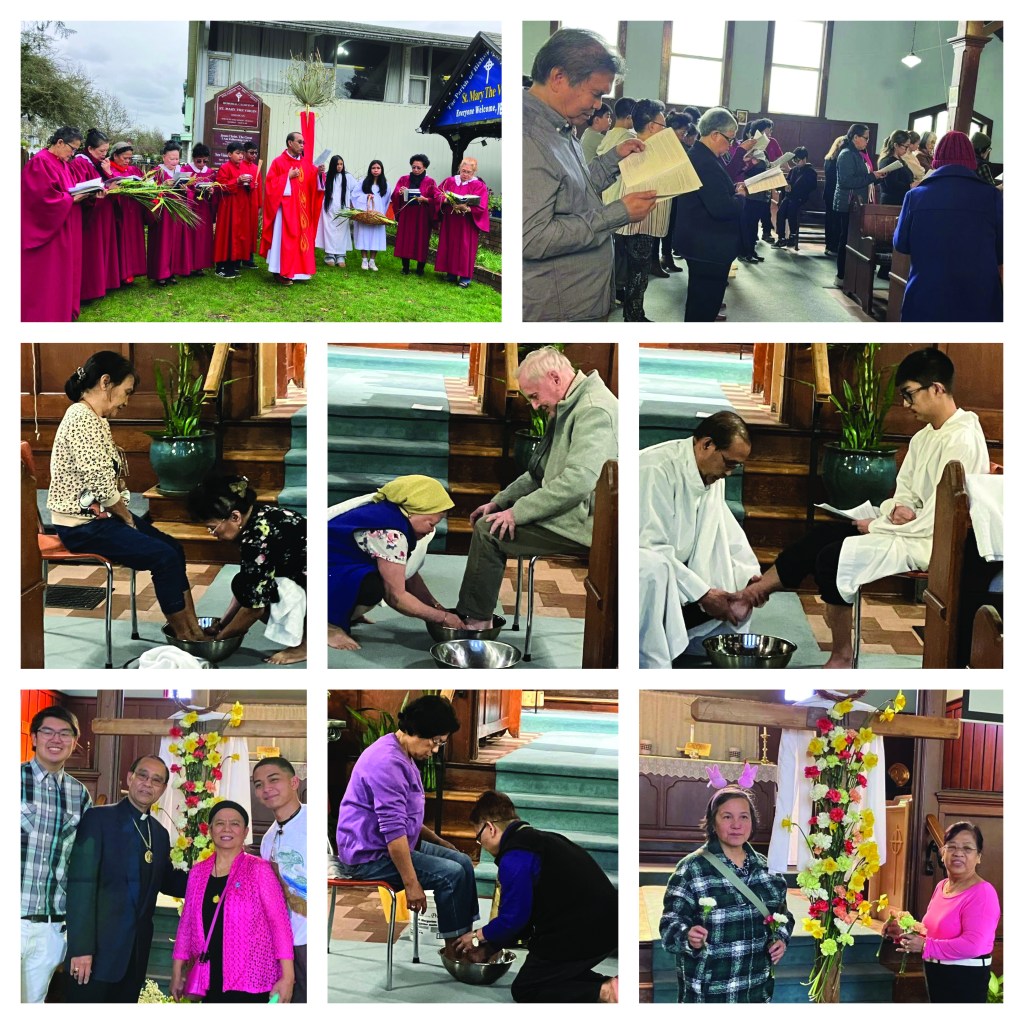
At the Washing of the Feet at the St Mary the Virgin South Hill church, a ritual that marks one of the last acts of Jesus on earth, I am reminded of the message of this humbling, very personal and almost intimate task. Are we willing to wash the feet of our neighbours? Are we willing to get down on our knees, wash the feet of others, and wipe them dry? Are we willing to serve others? I think the powerful men and women (and their children) accused of corruption, embezzlement, plunder in the Philippines should be required to wash the feet of their neighbours, especially the poor, the farmers, the jeepney drivers, the indigenous people, the political prisoners, the families of the victims of the so-called war on drugs, and overseas Filipino workers. This year was my second time to participate in the Washing of the Feet, both times at this little church with a big heart.
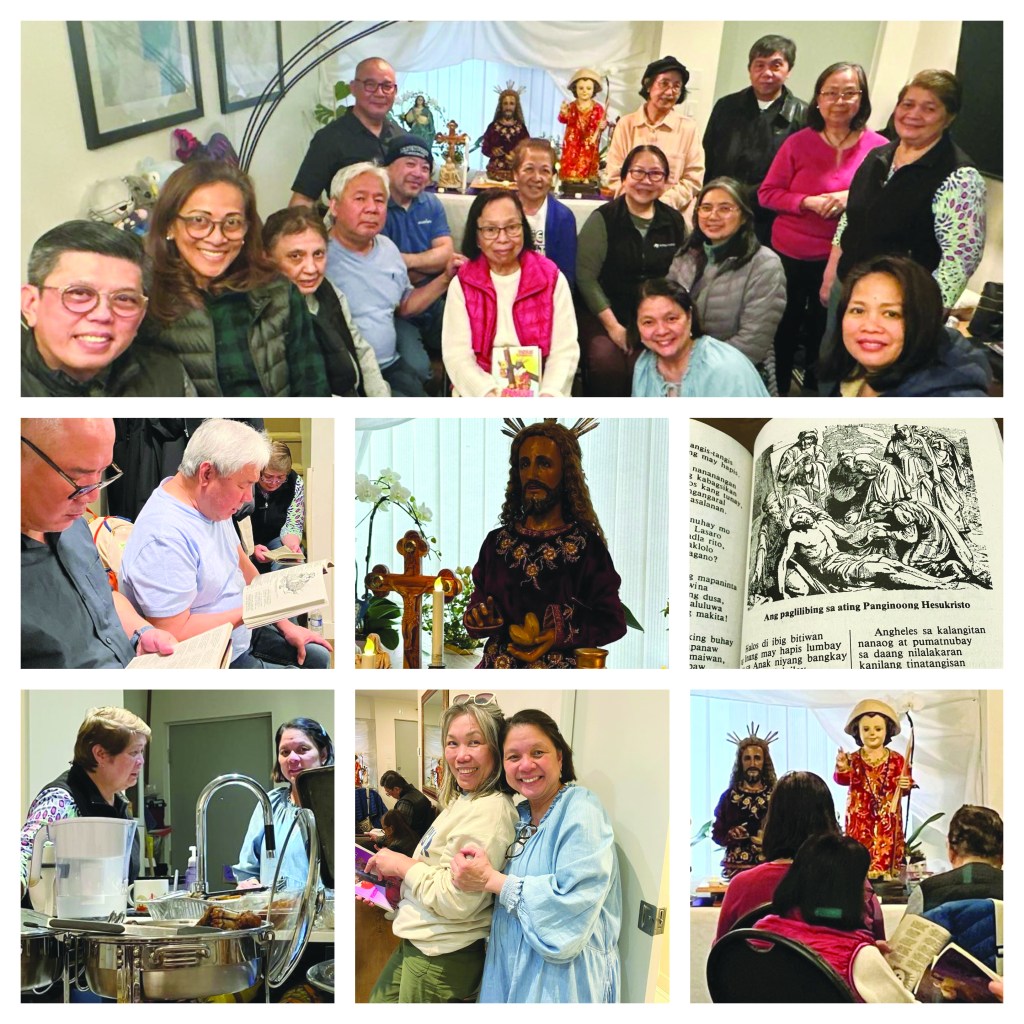
It was also my second time to join the Pabasa/Reading of the Pasyon, the first time in a barrio chapel in Cavite and the second time in a Vancouver home. The Pabasa is the uninterrupted chanting or reading of the Pasyon, the Philippine epic narrative of the life of Jesus, his passion, death and resurrection. The family of Maria Fe and Catalina Samson and their extended families have kept their Reading/Pabasa in Canada, a holy week panata/vow that was started in the Philippines and which they have kept alive. The chanters or readers face the altar with the family’s religious icons, the most prominent of which is the Samson family heirloom, a wooden statue of Jesus holding a piece of bread. Thank you, Maria Fe and Catalina for inviting me!
Holy Week is over, Jesus has risen. But in the Philippines, where the Holy Week is more than a religious ritual to the workers, urban poor and the peasants, it reflects what the poor endure and bear every day. The Passion of Jesus is reflected in the suffering of the Filipino people, marked by the unstoppable rise in oil prices, appalling government inaction, increasing poverty, landlessness, injustice, militarization, forced migration, lack of basic social services, hence the name The People’s Calvary. The urban poor in Quezon City had their Kalbaryo ng Maralita/Calvary of the Urban Poor; health workers and residents in Tondo, Navotas, Malabon, and Quezon City had their Kalbaryo ng Manggagawang Pangkalusugan at Mamamayan/ The Suffering of Health Workers and the People, and the people in Davao City had their Kalbaryo sa Katawhan/Calvary of the People.
But we know how the Holy Week ends. It is with Easter, ang Pasko ng Pagkabuhay.
The poor and the oppressed will have their Pasko ng Pagkabuhay, when there will be justice, genuine peace, decent lives for the people, where the commandment “love thy neighbour” is truly practised. And there is no doubt about it. ###



Leave a Reply