



By Carlito Pablo
Canada is risking its global reputation as a human rights defender because of its growing military and economic involvement with the Philippines.
This message is conveyed in a briefing paper prepared by the Canada chapter of the International Coalition for Human Rights in the Philippines (ICHRP).
“Canada is deepening its military and economic relationships with the Philippines against a
backdrop of corruption scandals that have plagued the Philippine government in the last
year,” the document stated.
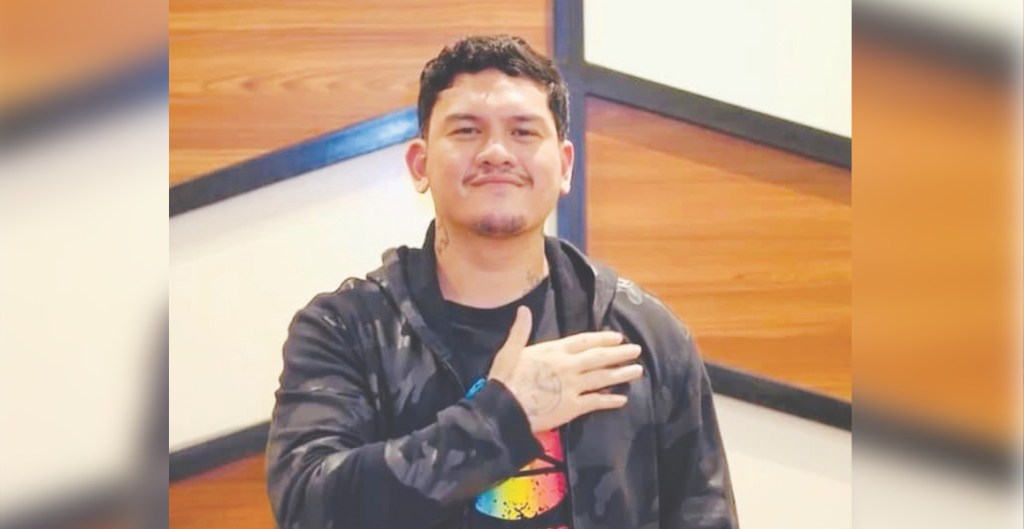
The paper was presented in Ottawa to a Canadian MP and a ranking official of Global Affairs Canada by a delegation that included Danilo Ramos, who was visiting the country in his capacity as chairperson of the Kilusang Magbubukid ng Pilipinas (Peasant Movement of the Philippines).
The group in late April 2026 met Alexis Brunelle-Duceppe, a Bloc Québécois MP and vice chairperson of the Subcommittee on International Human Rights of the House of Commons’ Standing Committee on Foreign Affairs and International Development.
Ramos and party also met Alan Bowman, director general for Southeast Asia and Oceania with Global Affairs Canada.
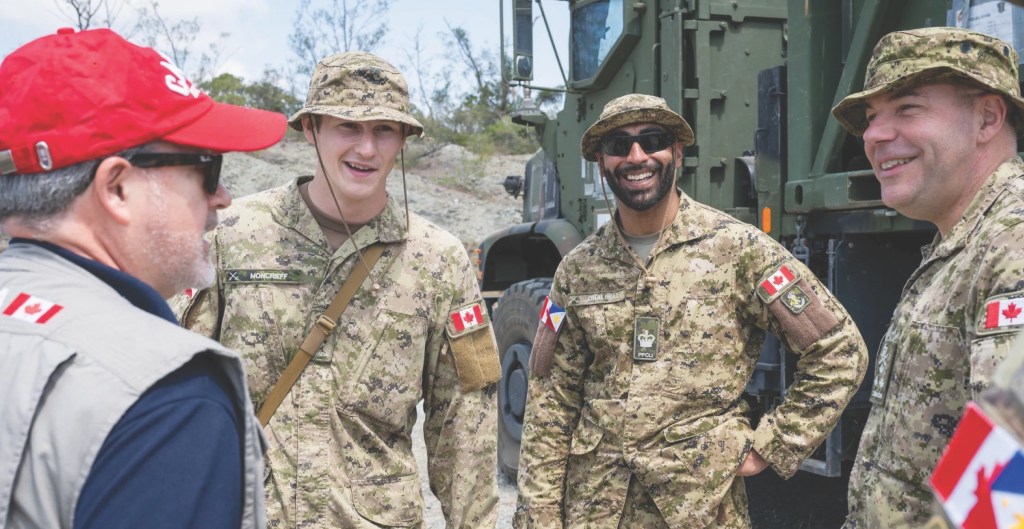
The meetings with Canadian representatives happened in the midst of Canada’s first active participation in the Balikatan wargames in the Philippines from April 20 to May 8.
From an observer nation, Canada sent a broad range of military units to the 2026 iteration of Balikatan, an annual military drill by the Philippines and the U.S.
On November 2, 2025, Canada and the Philippines inked a Status of Visiting Forces Agreement (SOVFA), a pact that builds on the Canada-Philippines Defence Cooperation Memorandum of Understanding signed in January 2024.
“It will allow the Canadian Armed Forces and the Armed Forces of the Philippines to work more closely together through participation in joint and multinational operations and exercises in each other’s territories,” stated a media release by Canadian Department of National Defence on the same day about the SOVFA.
The ICHRP-Canada paper noted that amid expanding military and economic relations, “questions arise regarding the broader political, security, and human rights implications of this deepening
Partnership”.
“While framed as part of Canada’s Indo-Pacific engagement, these developments occur in
the context of persistent and well-documented corruption scandals, systemic human rights
violations, and ongoing counterinsurgency operations in the Philippines that have raised
serious concerns under international humanitarian law.
“At a time when rural militarization, extrajudicial killings, enforced disappearances, red
tagging, and political imprisonment continue, deeper military cooperation risks implicating
Canada in policies and practices that contradict its stated commitments to human rights,
democratic governance, and accountability,” the paper stated.
“Simultaneously, large-scale corruption within key Philippine institutions raises serious reputational, legal, and moral risks for Canada as it expands both defence and development engagement.”
David Hartman, who is Canada’s Ambassador to the Philippines, welcomed members of the Canadian Forces who were taking part in the 2026 Balikatan.
On social media, Hartman described Canada’s participation in the wargames as a “tangible demonstration of Canada’s commitment to our allies and our #IndoPacific strategy”.
In a media release, ICHRP-Canada related that KMP chair Ramos and delegation held high-level meetings with government figures in the Canadian capital of Ottawa on April 29 and 30.
“These meetings provided critical opportunities for direct engagement, allowing Canadian officials to hear firsthand testimony from Ramos, who spoke as a key witness to the worsening conditions faced by peasant farmers, Indigenous communities, and human rights defenders in the Philippines.
“Ramos detailed the intensifying militarization of rural communities, where counterinsurgency operations have resulted in widespread displacement, harassment, and violence. He emphasized that these conditions are rooted in longstanding issues of landlessness, poverty, and systemic repression, and are exacerbated by foreign military support,” stated the media release dated May 1, 2026.
Kelti Cameron, an international solidarity officer with the Canadian Union of Public Employees (CUPE), was part of Ramos’ delegation.
“Danilo Ramos is not just a representative, he is the face and voice of millions of Filipino peasants whose daily struggle is for land, food, and justice,” Cameron said in the ICHRP-Canada release.“ His testimony underscores the urgent need for international accountability and meaningful action.”
In its briefing paper, ICHRP-Canada warned that Canada “risks direct complicity in corruption and in violations of international human rights and humanitarian law as it deepens military and economic relations with the Philippine government”.
“Widespread corruption increases governance and rights-related risk in any deepening
bilateral engagement. It elevates the likelihood of complicity, reputational harm, and
legal/policy incoherence with Canada’s own human rights defender guidelines,” the paper stated.





Leave a Reply