



By Bella-Balisi Bevilacqua
2025, July 4, University of Bologna, Italy — I am currently in Italy, and I can see that while modernization is quick to catch up with the country, many of its ancient structures still exist and have been carefully restored. The magnificent David, Madonna and Child, Pieta, the University of Bologna, the Generali buildings, the Medici palaces—each remain complete and undeterred by the passing of time. Why can’t the Philippines do it? Why is Canada lacking the capacity to do it?
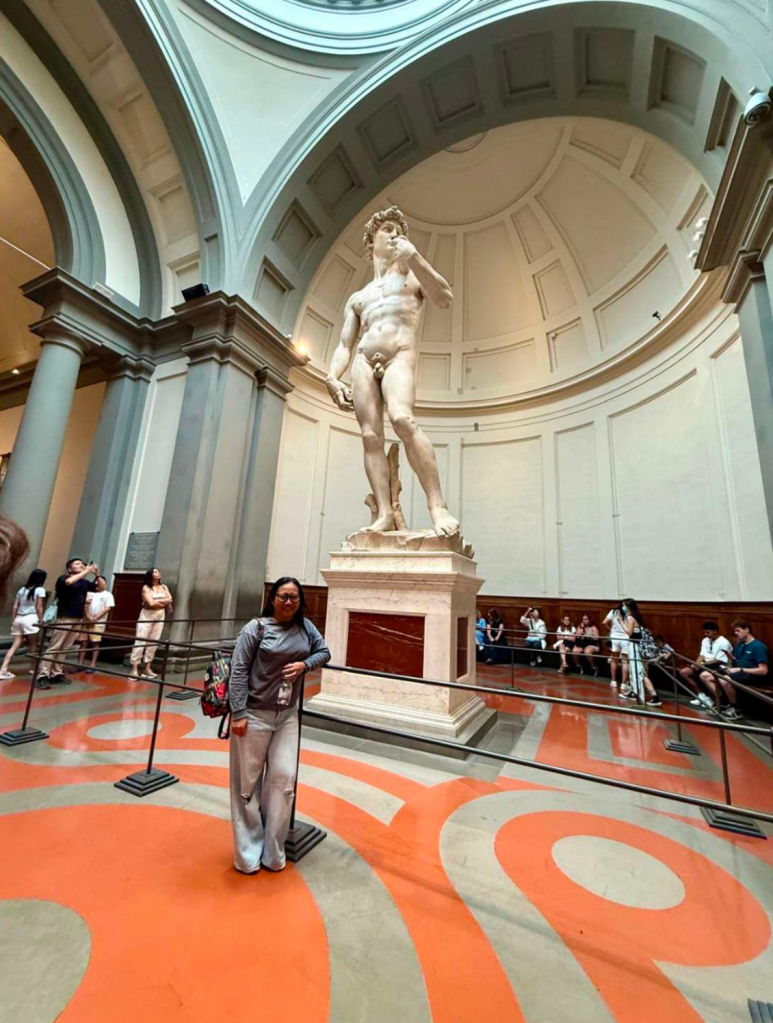
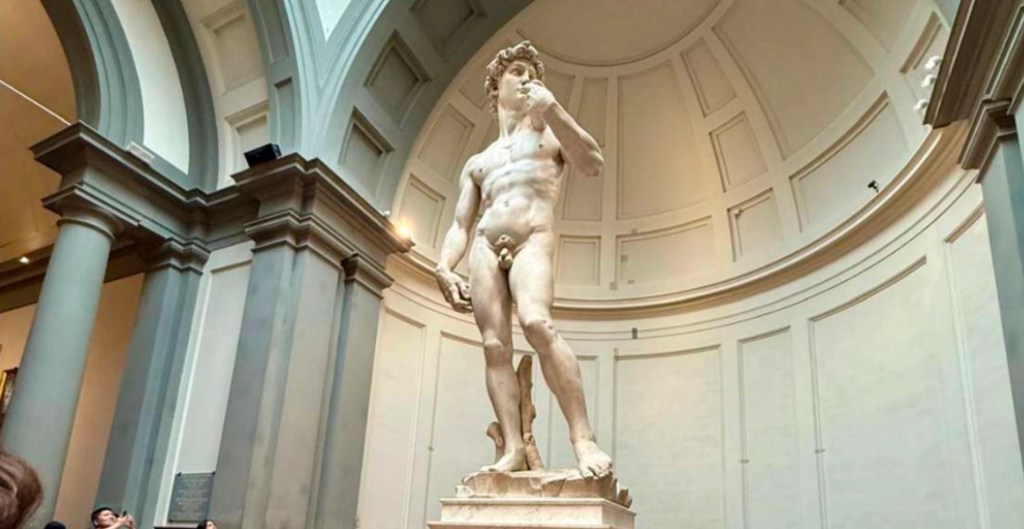
June 2025. Michelangelo carved the Statue of David between 1501 and 1504 from a single block of Carrara marble, which was once considered unusable. Initially meant for the Florence Cathedral, the 17-foot masterpiece was instead displayed in Piazza della Signoria as a symbol of civic strength and rebellion. In 1873, it was relocated indoors to the Galleria dell’Accademia to prevent damage. (Author’s Archive.)
You have to have faith, love, and hope. In the case of civilizations, culture, art, and history, nationalism and a strong sense of fighting for what needs to be preserved are likely what we need.
In Italy, old and new do not merely coexist; they dance. A centuries-old basilica stands humbly beside a sleek espresso bar. A cobbled street leads seamlessly into a bustling shopping district filled with contemporary design houses. What makes this juxtaposition so effective is not just a passion for preservation—it is a philosophy. Italians do not see heritage as a hindrance; they see it as the very foundation upon which modernity can flourish. And that mindset makes all the difference.
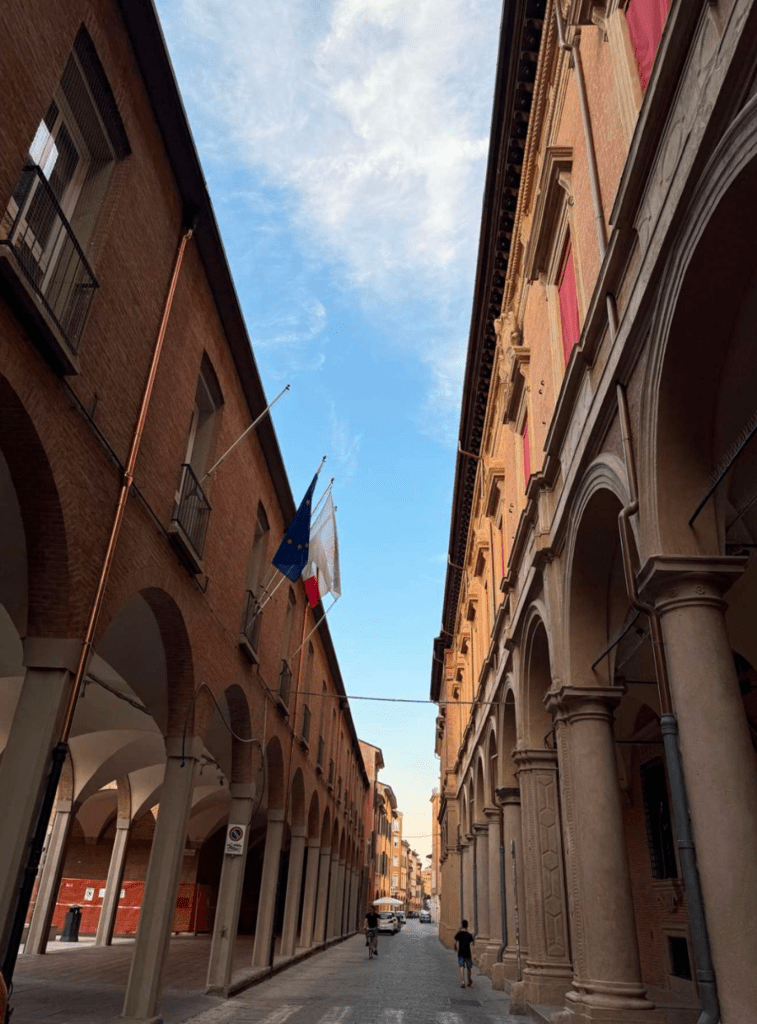
July 2025. Founded in 1088, the University of Bologna is recognised as the oldest university still operating in the Western world. It became a symbol of legal and scientific scholarship throughout the Middle Ages and the Renaissance. It remains a symbol of academic tradition and innovation in Europe today. (Author’s Archive.)
Contrast this with the Philippines or Canada. In the Philippines, colonial scars and the rush to modernize have led to the hasty demolition of heritage structures. Spanish-era churches crumble in silence, ancestral homes are gutted for parking lots, and even the memory of what once stood often fades without ceremony. In Canada, while the loss is not always due to neglect, it stems from a culture more focused on the future than the past. The push for innovation often eclipses the need to remember, to root.
June 2025. From the rooftop terrace of the Uffizi Gallery’s café, visitors are treated to a breathtaking panorama of Florence’s skyline, featuring the Duomo’s iconic dome, Giotto’s bell tower, and the medieval rooftops glowing in Tuscan light. It’s a serene pause amid Renaissance masterpieces. A perfect blend of art, architecture, and atmosphere high above the Arno. (Author’s Archive.)
My strongly opinionated self sees fusion of old and new is not just a romantic ideal—it is a strategic path forward. Economically, historically preserved cities like Florence or Rome generate billions in tourism while retaining cultural depth. Socially, the preservation of monuments, languages, and customs anchors people, giving them a shared identity.
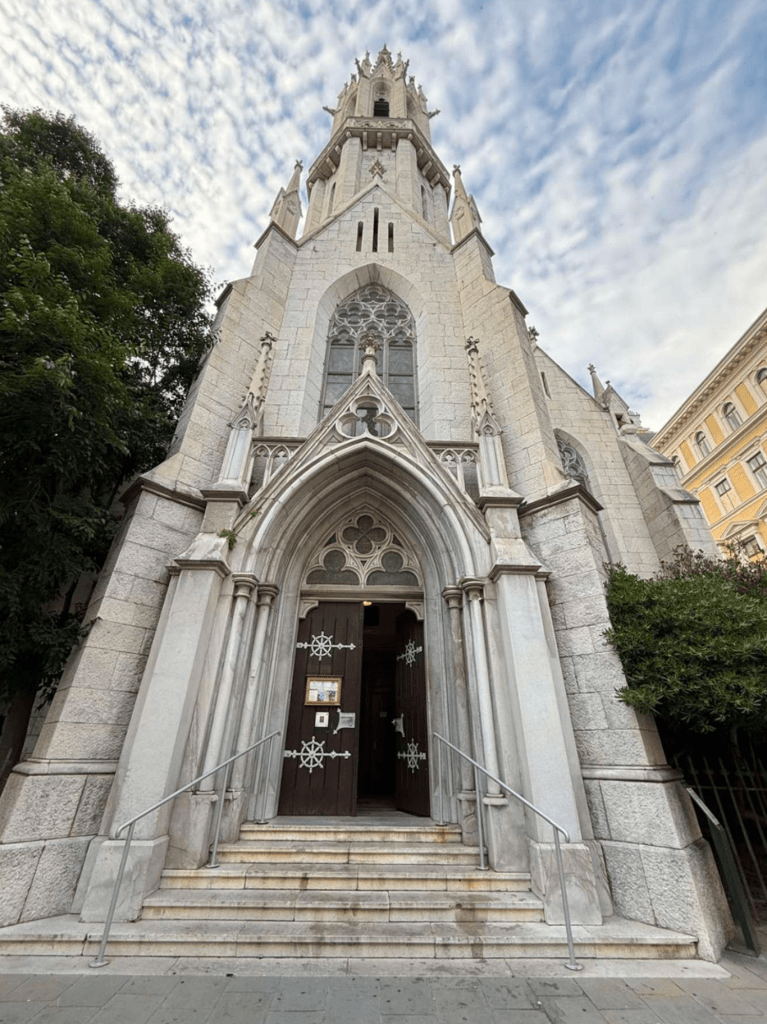
July 2025. The Lutheran Church in Trieste, officially called the Chiesa Evangelica Luterana di Trieste, is not the oldest Lutheran church in Italy. However, it is among the earliest and holds significant historical importance. The current Neo-Gothic building was completed and consecrated in 1874, designed by Carl Johann Christian Zimmermann. (Author’s Archive.)
To be rooted is to be resilient. So why is it daring to attempt this fusion?
Because it demands restraint, it means a developer must sometimes pause and ask, “Should this building be preserved?” rather than, “How many floors can we squeeze here?” It asks planners to redesign around existing structures, rather than bulldozing them. It requires educators and lawmakers to actively incorporate heritage into public consciousness, not as nostalgia, but as a living part of who we are. It demands, ultimately, a different kind of progress—one that moves forward without forgetting what it steps on.
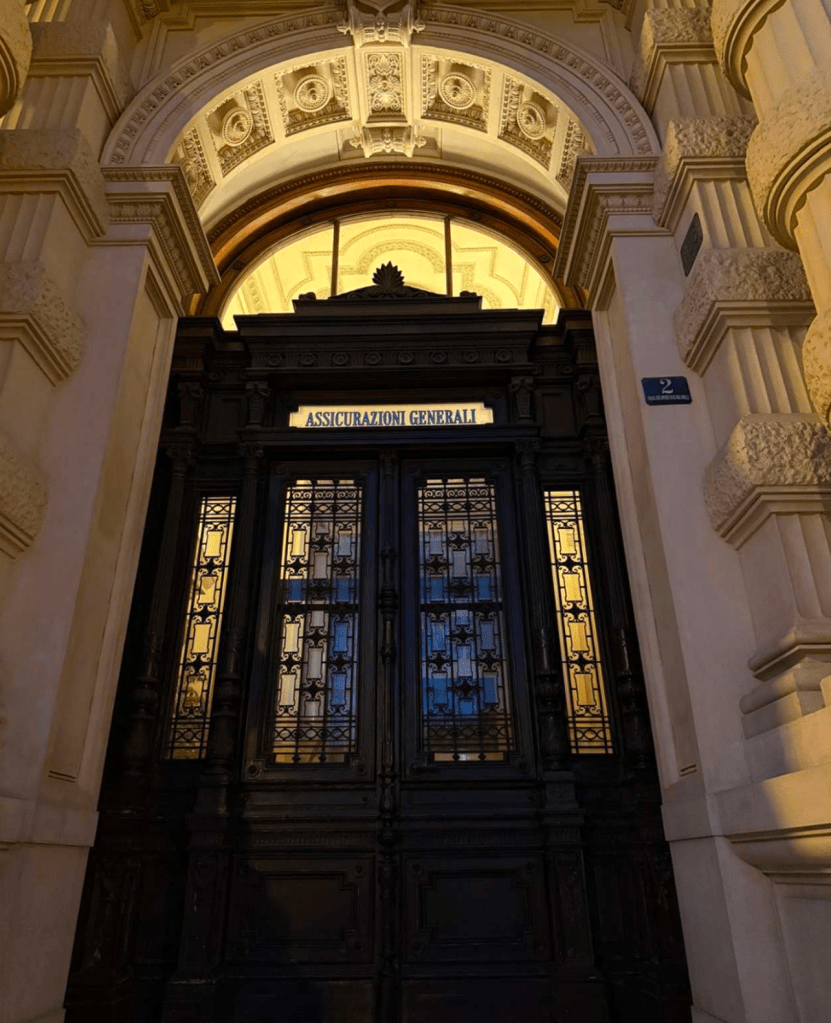
July 2025. Generali’s restoration of historic landmarks, such as Palazzo Carciotti in Trieste, highlights its strong dedication to preserving Italy’s architectural heritage. From Venice’s Procuratie Vecchie to Milan’s Cordusio, the company merges cultural stewardship with urban innovation. Its projects revive iconic spaces, connecting Italy’s past to its future. (Author’s Archive.)
And yet—it is possible.
Look at the Escolta revival movement in Manila. Look at how parts of Quebec are protected with the same reverence as European old towns. The challenge lies not in the lack of ability, but in the absence of collective will. Italy’s example shows us that it can be done, but only when a society decides, with clarity, that the past is worth the effort.
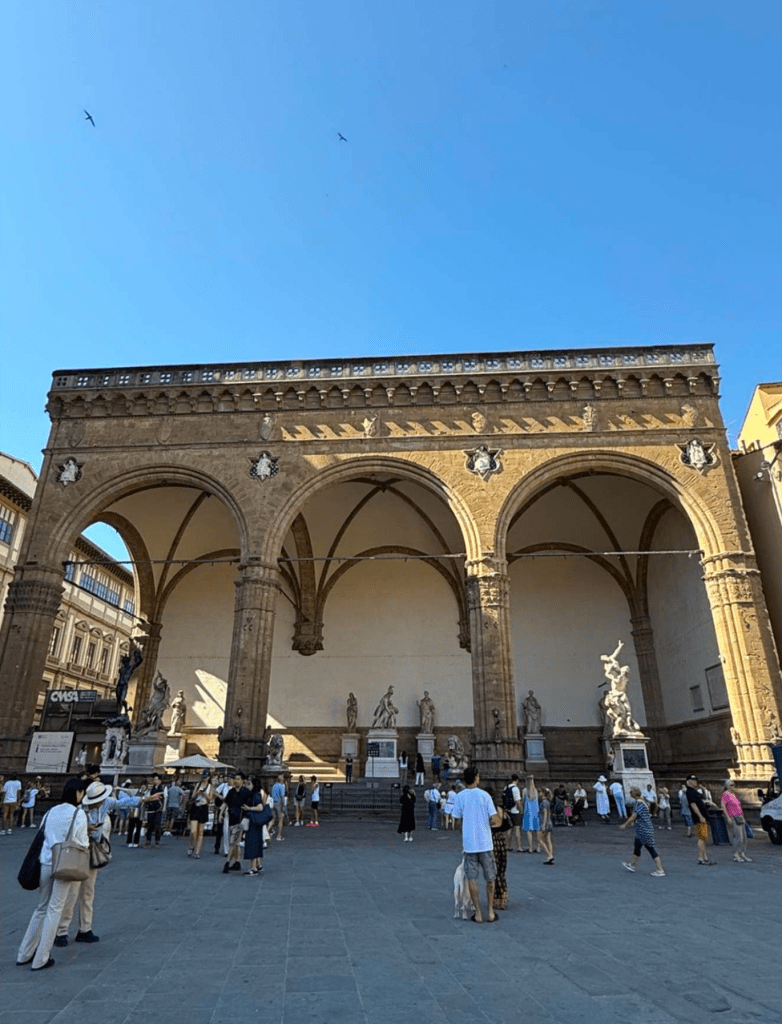
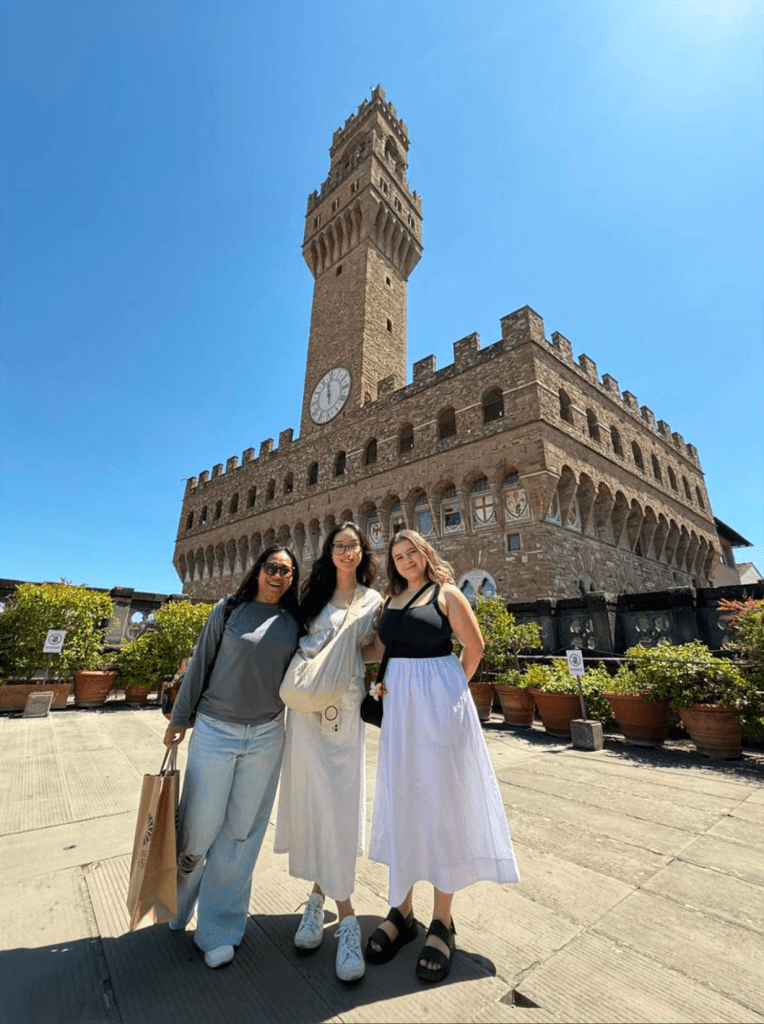
June 2025. Built in the heart of Florence, Relais Piazza Signoria stands within a historic square that once echoed with the political debates of Machiavelli’s era. Overlooking Palazzo Vecchio and steps from the Uffizi, the building contributes to the city’s architectural continuity while honouring its Renaissance legacy. Today, it blends refined hospitality with the enduring spirit of Florentine discourse. Florence, Italy, is the birthplace of the Renaissance era, as is well known. (Author’s Archive.)
What I see in Italy is not just preservation—it is both poetry and responsibility. In my eyes, everything here is magic. The Salvatore Ferragamo Museum, originally Palazzo Spini Feroni, was built in 1289. Ferragamo bought the palace in 1938 to house his workshop and flagship store. The Gucci Palace, originally known as Palazzo Settimanni, was built in the 17th century and underwent a complete restoration, reopening to the public in 2021. Palazzo Gucci now houses the Gucci Archive, showcasing the brand’s rich history of creativity and design. The way marble, brick, and steel converse here gives me hope. It reminds me that to preserve is not to resist change, but to shape it with wisdom. The old has a litany of lessons, and the new must be compelled to listen and respond. That harmony is art. That fusion is power.
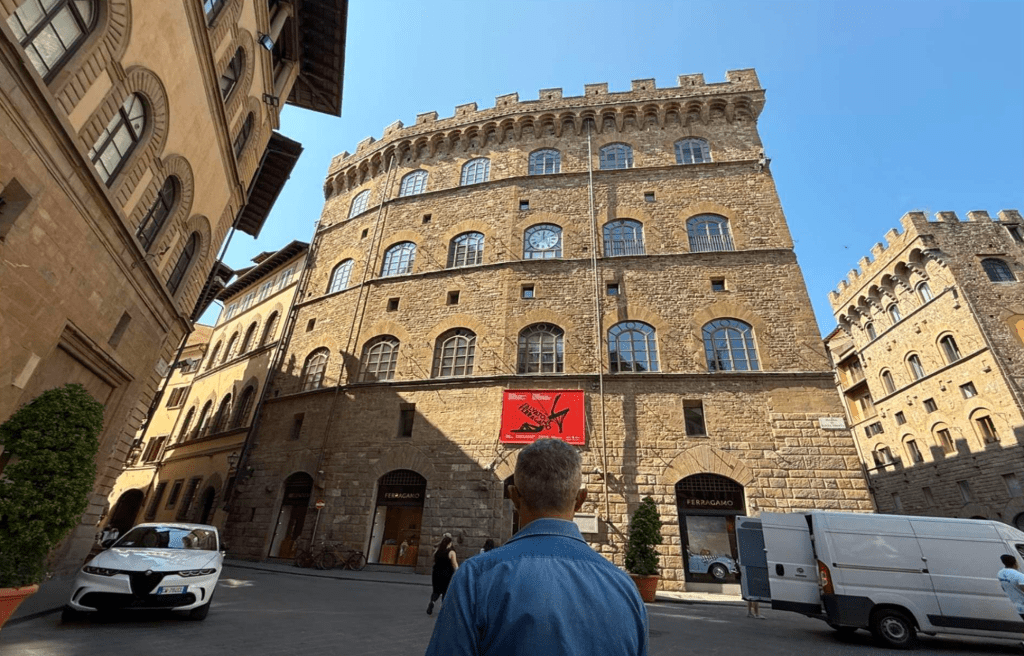
June 2025. The Salvatore Ferragamo Museum and all other buildings in Florence are as old as time, and the fusion with technology is magnificently seen these days. (Author’s Archive.)
Canada is already doing it. The Philippines can do it, too. But we must begin with faith in our roots, love for our heritage, and hope that we can build something enduring— something that not only impresses today but also inspires tomorrow. (MBB)





Leave a comment