



By Carlito Pablo
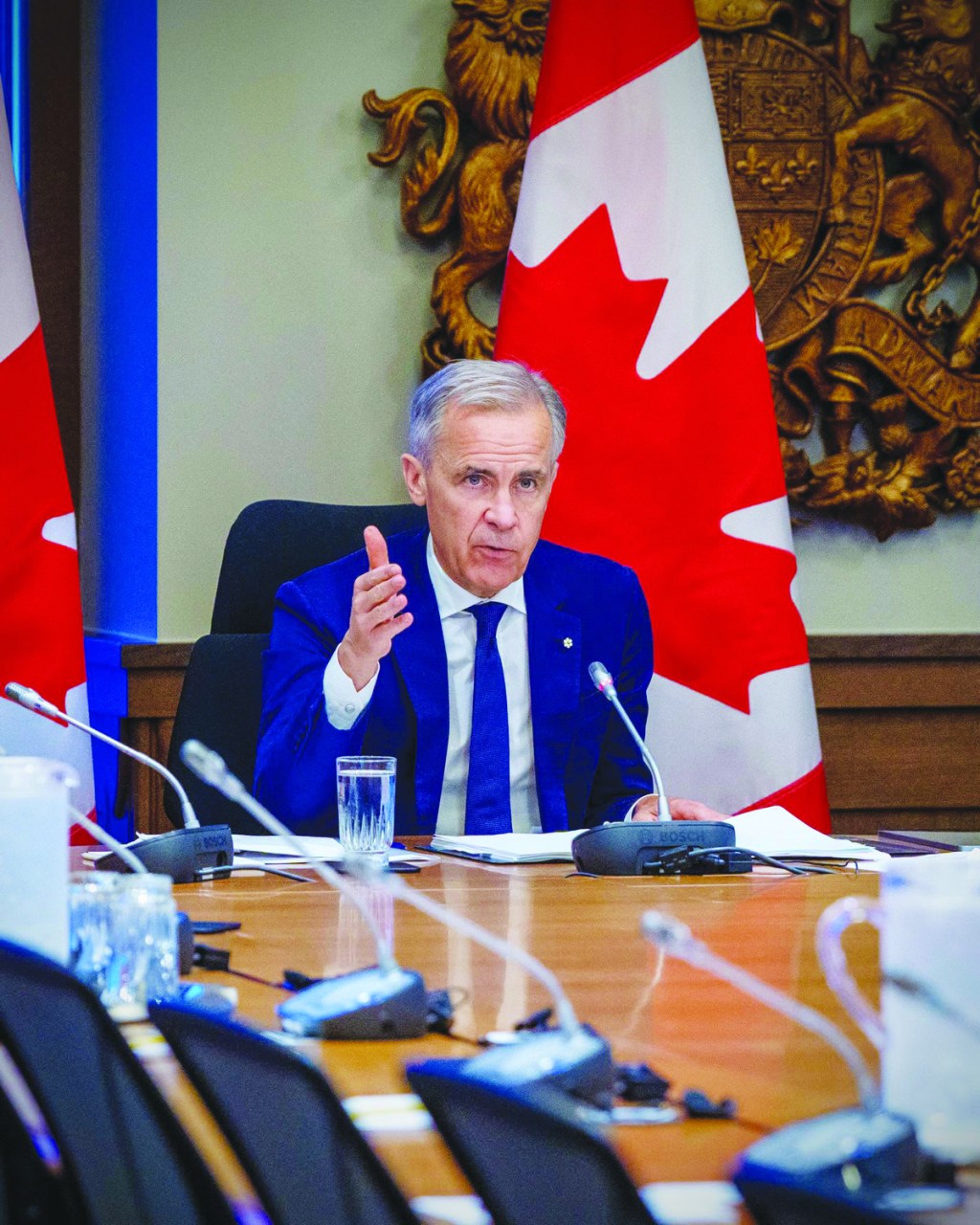
Prime Minister Mark Carney says his Liberal government has taken back control of Canada’s immigration system.
In its 2026 budget, the administration declared on November 5, 2026 that its plan of “keeping overall immigration at sustainable levels” is working.
Moving forward in the budget themed “Masters of our destiny”, the federal government laid out its immigration targets for 2027 to 2029.
Annually for the next three years, Canada will welcome 380,000 permanent residents, plus 370,000 temporary residents.
That’s a combined 750,000 new arrivals each year, a level that the government described as “moderating” from their previous peaks.
In the budget, the government also indicated that it will provide permanent residency to 200,000 temporary residents by the end of 2027.
This means that Canada will have 580,000 new permanent residents next year.
Commenting on this specific number, Toronto Sun columnist Brian Lilley wrote in his November 6, 2026 article that this would be the “largest number of permanent residents ever recorded in Canada”.
“Admitting 580,000 new permanent residents in one year is more than double the historical average of 262,400,” Lilley stated.
The Toronto Sun opinion writer also explained, “Bringing in 580,000 people in one year is like adding a city the size of Hamilton, Surrey or Quebec City. Thinking this wouldn’t put pressure on the job market, the housing market or the health-care system would be a mistake.”
Immigration has been a hot-button issue in Canada following dramatic increases in new arrivals during the administration of Carney’s predecessor Justin Trudeau.
A recent report by the Environics Institute for Survey Research noted that Canadians are evenly split on the question of whether there is too much immigration.
In its October 26, 2026 report, the Toronto-based think stated that 48 percent of Canadians agree and 48 percent disagree on this issue about immigration.
The Environics Institute recalled that between 2022 and 2024, the proportion of Canadians agreeing that there is too much immigration to Canada doubled from 27 percent to 58 percent.
Little changed the following year, with the proportion agreeing in 2025 declining by only two points, to 56 percent.
In his November 6, 2026 Toronto Sun column, Lilley noted that the day after the Carney government presented its budget containing immigration targets, Statistics Canada reported that the country’s national unemployment rate rose in October to 6.7 percent and youth unemployment climbed to 13.7 percent.
“We have more than 1.5 million unemployed Canadians looking for work, and Carney’s government wants to flood the zone,” Lilley wrote.
The Toronto Sun columnist also wrote, “Unemployment remains high, housing starts are stalled and, despite recent price declines, housing remains unaffordable.
“The Canada Mortgage and Housing Corporation projects just 233,000 housing starts across the entire country in 2027.”
For Lilley, the math doesn’t make sense.
“There aren’t enough homes for the number of people the government plans to bring in. This isn’t blaming immigrants for the country’s problems; it’s a simple case of bringing in more people than our housing stock or job market can handle,” Lilley wrote.
In its 2026 budget, the Liberal government noted that there “signs that housing affordability is improving”.
“Strong housing construction and actions to better align immigration levels with infrastructure capacity are helping to rebalance housing markets,” the budget document stated.
For context, Toronto Sun’s Lilley wrote that while numbers may be down from the highs of 2023 and 2024, immigration levels “remain much higher than historical norms”.
“From 2006 through 2017, before the Liberals began ramping up immigration levels, Canada saw an average of 262,400 new permanent residents. In the five years after the pandemic drop, the Liberals quickly ramped numbers up again to an average of 438,000 and an absolute high of 483,600 in 2024,” Lilley wrote.
In the budget, the government noted that the 2027-2029 immigration targets will “continue to seek a balance between the needs of Canada’s employers, industries, and communities and our ability to meet the needs of newcomers, while avoiding undue pressures on housing, health care,
and social services”.
“The Plan will also support pathways for people already living and working in Canada to continue contributing to our shared economic future,” the government stressed.






Leave a Reply