



By Carlito Pablo
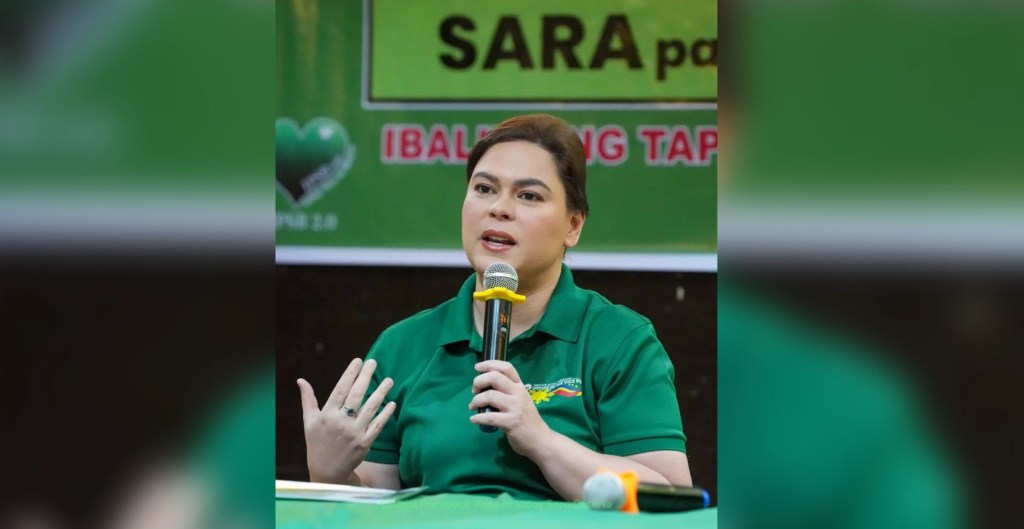
It’s “take two” to impeach Philippine Vice President Sara Duterte.
A congressional panel on March 25, 2026 started hearings on impeachment complaints against Duterte in what analysts say could define the landscape of the 2028 presidential elections.
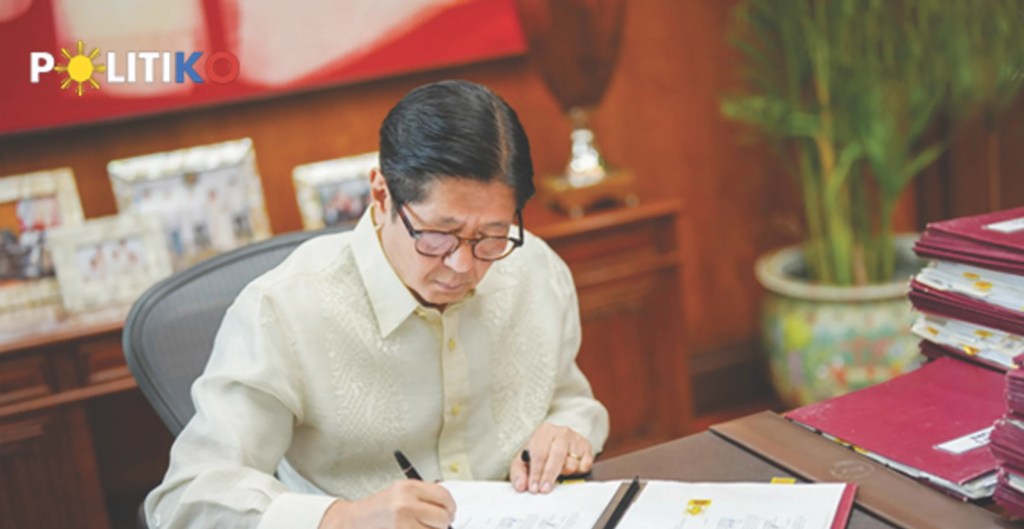
President Ferdinand Marcos Jr. is barred by the Philippine Constitution from seeking a second term, and there are suggestions for him to endorse a candidate to go up against Duterte.
Duterte has declared her intention to run for president, and based on poll upon poll, she is clearly the frontrunner.
However, political observers say her impeachment may erode her popularity, especially that she is facing allegations of misuse of public funds.
A March 29, 2026 report by the BusinessWorld newspaper describes the political risks as well as opportunities presented by the impeachment.
“The stakes are existential,” the Manila paper quoted Ederson DT. Tapia, a political science professor at the University of Makati, saying via Facebook Messenger.
Tapia explained that if the allegations gain traction among voters, that could affect Duterte’s chances of winning.
In addition to charges of misusing hundreds of millions of pesos in public funds, Duterte is also alleged to have amassed wealth disproportionate to her legitimate income, and plotted to assassinate President Marcos, his wife Liza Araneta, and Marcos cousin and then House of Representatives Speaker Ferdinand Martin Romualdez.
“If supported by clear records and a coherent evidentiary chain, it reframes the issue from political contestation to questions of propriety and accountability,” Tapia said, referring to Duterte’s situation.
“That has real electoral consequences,” the analyst also said.
On the other hand, an acquittal could boost her chances in 2028.
“For the Duterte camp, an acquittal strengthens their claim to enduring popular legitimacy,” Tapia said in the BusinessWorld report.
The justice committee of the House of Representatives started hearings on March 25 to establish probable cause regarding the allegations.
Moving forward, if the committee finds grounds to proceed, it will forward its findings for a plenary vote by the House. An approval of one-third of its members is needed to forward the articles of impeachment to the Senate for trial.
The country’s 24 senators will serve as judges in the trial and the chief justice of the Supreme Court will sit as the presiding officer. A two-thirds majority vote is required for conviction.
If convicted, Duterte will be removed from office and barred from running in an election, which takes her out of the 2028 contest.
In the same BusinessWorld report, Dennis C. Coronacion, chairman of the University of Santo Tomas’ political science department, also pointed to the risk facing Duterte with her impeachment.
“If the House Justice Committee’s plan to scrutinize the evidence in public pushes through, Filipinos, including her supporters, may increasingly believe the allegations were true,” Coronacion said.
“That would not be good for her in terms of optics and could potentially damage her reputation as a political leader,” he also said.
Duterte was impeached by the House in February 2025, also for alleged corruption and threats to kill President Marcos.
However, the Supreme Court struck down the impeachment on technical grounds.
The court’s ruling provided Duterte legal cover from a new impeachment for one year from February 2025.
Duterte is the daughter of former Philippine president Rodrigo Duterte.
The elder Duterte is currently detained by the International Criminal Court at The Hague, Netherlands.
The ICC is in the process of determining if he should stand trial for crimes against humanity committed during his bloody war on drugs as mayor of Davao City and later as president of the Philippines.
Pollster and newspaper columnist Ma. Lourdes Tiquia noted that a “martyrdom narrative” for the Dutertes could be a factor in Sara Duterte’s 2028 bid for the presidency.
“Father and daughter, both on trial. Both defiant. Both casting themselves as victims of a Marcos-orchestrated political purge,” Tiquia wrote in her Manila Times column on March 3, 2026.
“The 2028 election is still two years away, but the brand calculus is being set right now, in a courtroom in The Hague and in the committee rooms of the House of Representatives,” Tiquia stated. “For the Duterte family, every legal proceeding is also a political communication. Every charge is a martyrdom narrative. Every hearing is a fundraising pitch to the base.”

 ReyFort Media
Leave a comment