




Posted by ReyFort Media
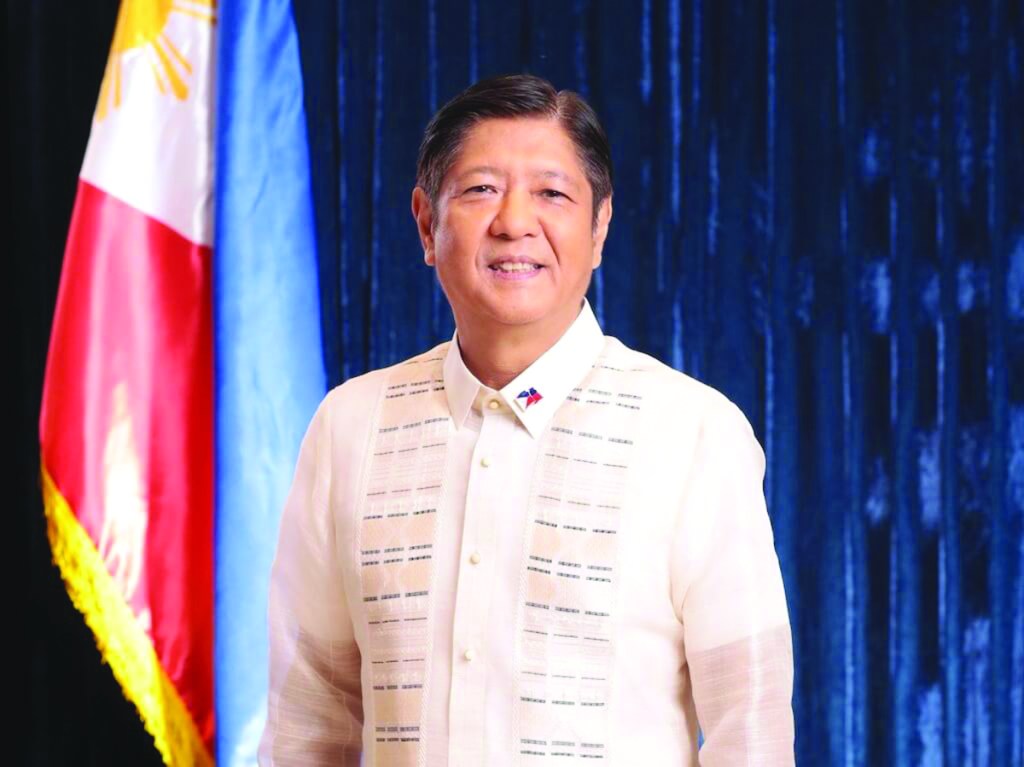
MANILA — President Ferdinand R. Marcos Jr. has signed an Executive Order declaring a state of national energy emergency in light of the ongoing conflict in the Middle East, and the resulting imminent danger posed upon the availability and stability of the country’s energy supply.
Marcos told Filipinos in a televised address that the government would procure one million barrels of oil to add to the current stock, which is good for 45 days.
The Philippines, which imports 98% of its oil from the gulf, became the first country to declare an energy emergency after local diesel and petrol prices more than doubled in the country since the war broke out on 28 February.
The declaration is anchored on the determination by the Secretary of Energy that recent hostilities in the Middle East involving the United States of America, Israel, and Iran have heightened geopolitical tensions in the region that plays a critical role in global oil production and transportation, creating uncertainty in global energy markets, severe disruptions in supply chains, and significant volatility and upward pressure on international oil prices, thereby posing a threat to the country’s energy security.
The DOE, PNOC, and PNOC-EC are authorized to undertake the procurement of required fuel and petroleum products and, when deemed necessary as certified by the Secretary of Energy, to make advance payment of an amount exceeding 15% of the contract amount.
The Executive Order likewise directs concerned departments, agencies, offices, and instrumentalities to implement necessary response measures.
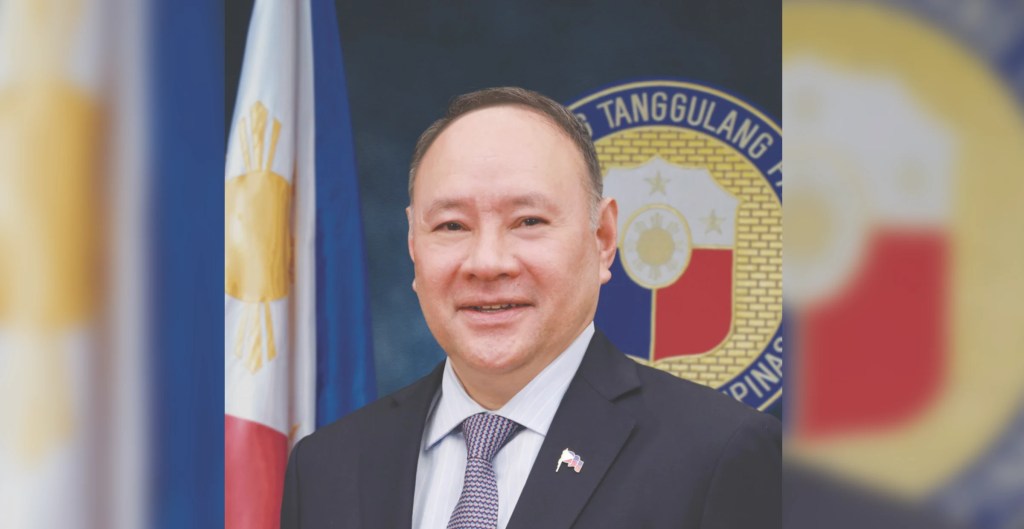
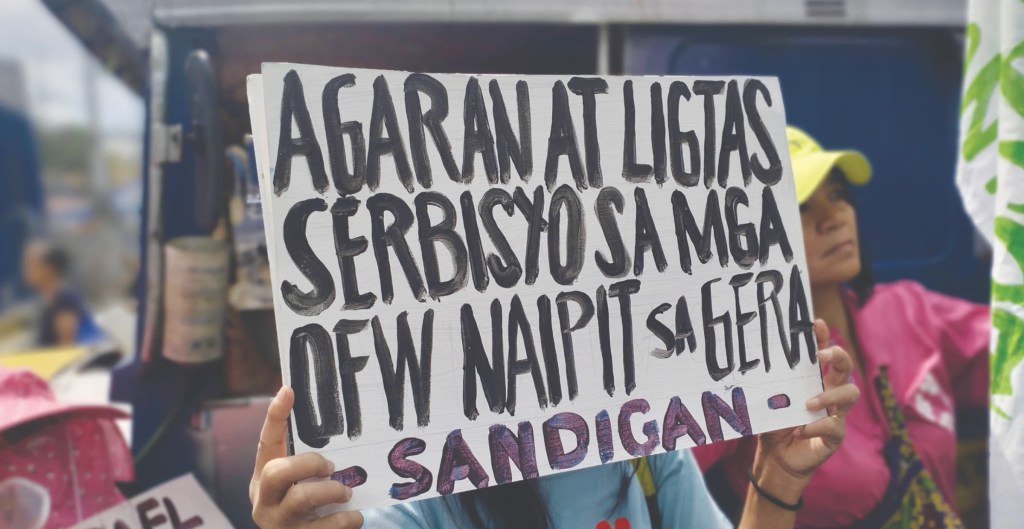
The Department of Migrant Workers is directed to mobilize mechanisms for the monitoring, rescue, evacuation, and repatriation of distressed Overseas Filipino Workers when warranted, and to expedite the release of the Agarang Kalinga at Saklolo para sa OFW na Nangangailangan (AKSYON) Fund and related financial assistance for qualified OFWs and their dependents.
It follows calls from several senators, who urged Marcos to acknowledge the “emergency-level” hardship faced by Philippine families due to soaring oil prices.
One of the country’s main labour coalitions, the Kilusang Mayo Uno (KMU) strongly criticised the emergency declaration, calling it an “admission” that the government failed to address the oil crisis.
It also accused the administration of downplaying the situation earlier, saying previous claims that “everything is normal” were misleading.
The KMU also raised concerns about what it describes as “anti-worker provisions” in the executive order – particularly clauses that could restrict activities seen as disrupting economic activity, including strikes.
They warn this could effectively limit workers’ ability to protest at a time when fuel prices are already hitting incomes.
Since hostilities in the Middle East began, the government has offered subsidies to transport drivers, reduced ferry services, and implemented a four-day work week for civil servants to save fuel.
Asia is particularly exposed to the blockade of the Strait of Hormuz. Last year, nearly 90% of all the oil and gas that passed through the waterway was bound for the region. (Report from the Office of the President, PCO website / S.Tewari/J.Guinto/BBC)



 ReyFort Media
Leave a comment