



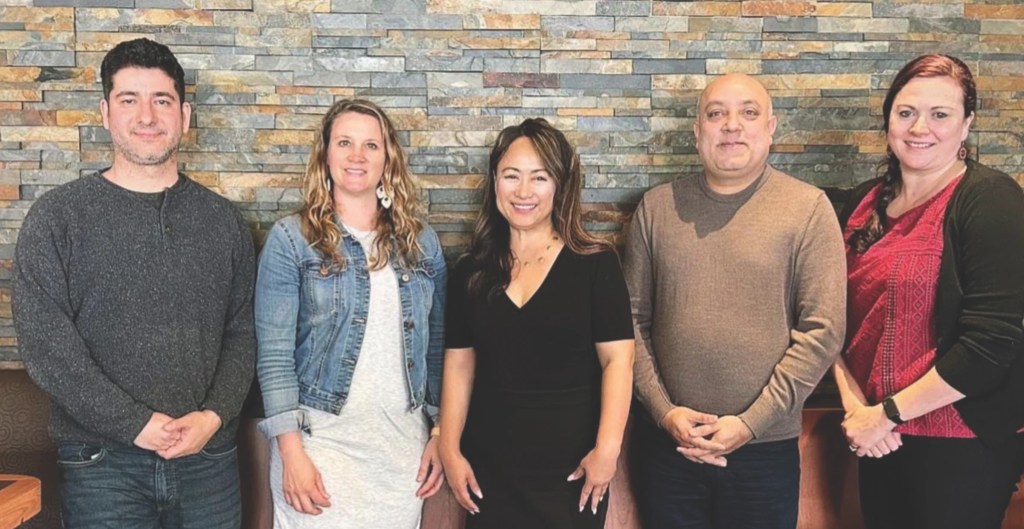
By Noemi Victorino (Guest Writer)
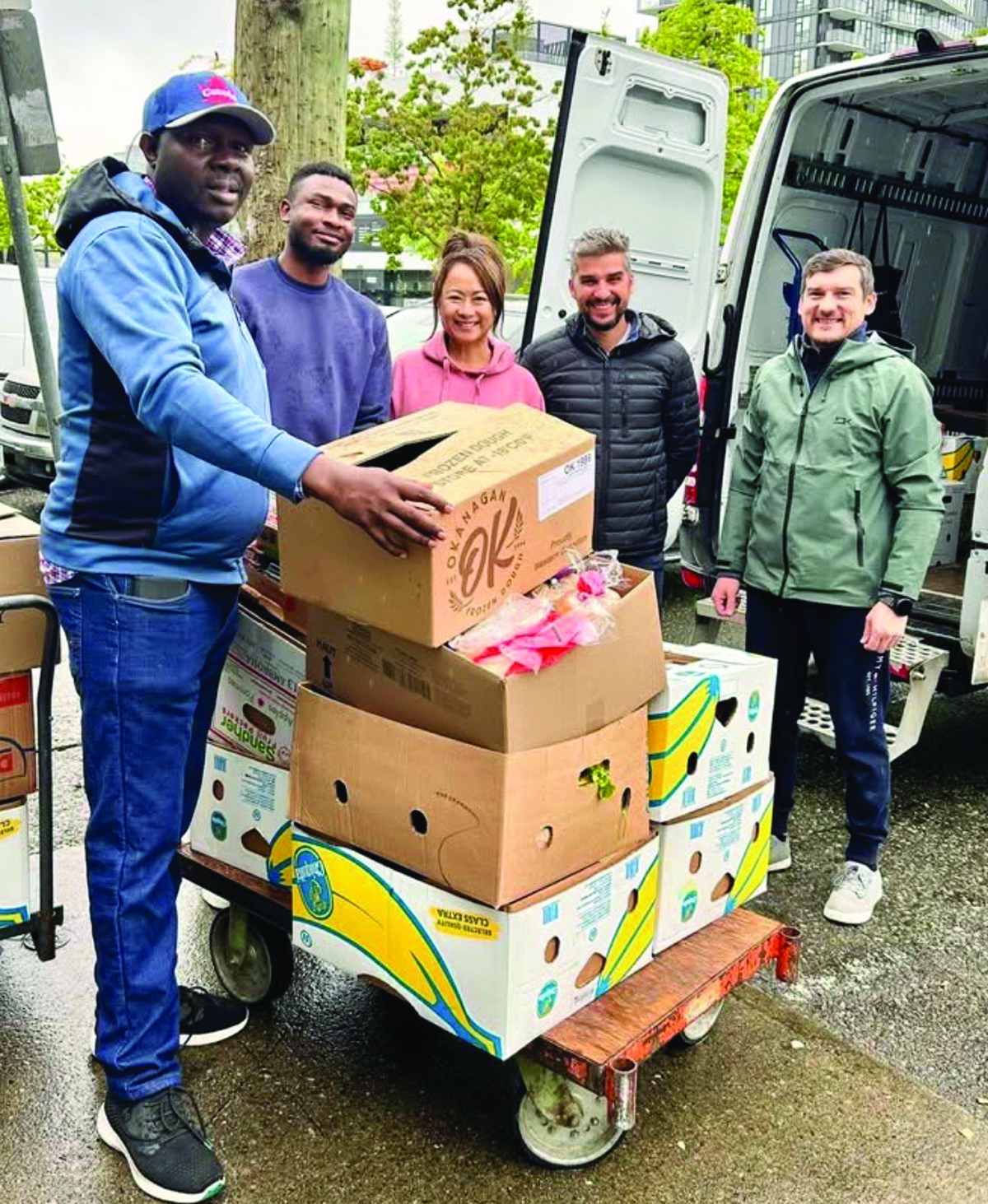
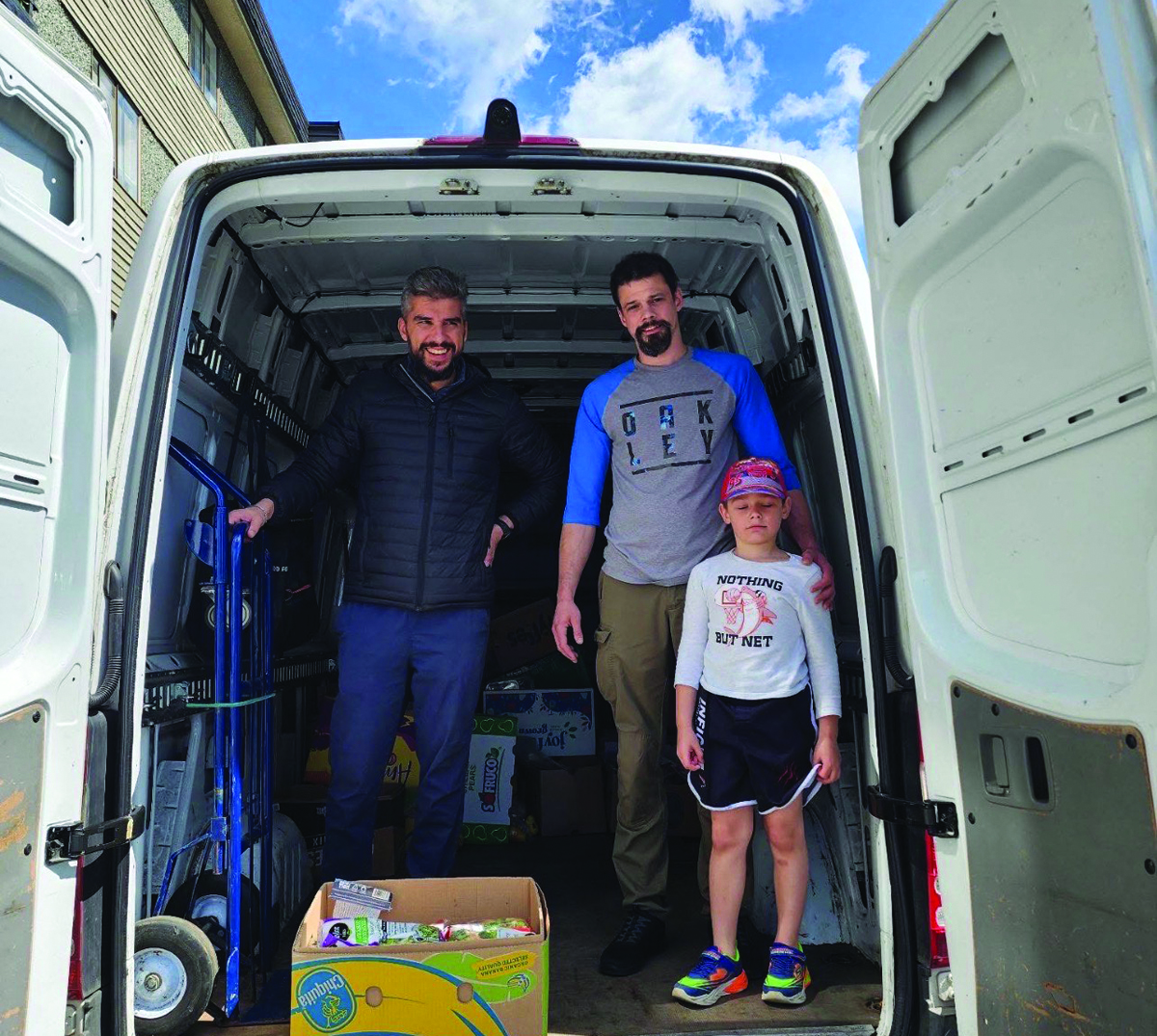
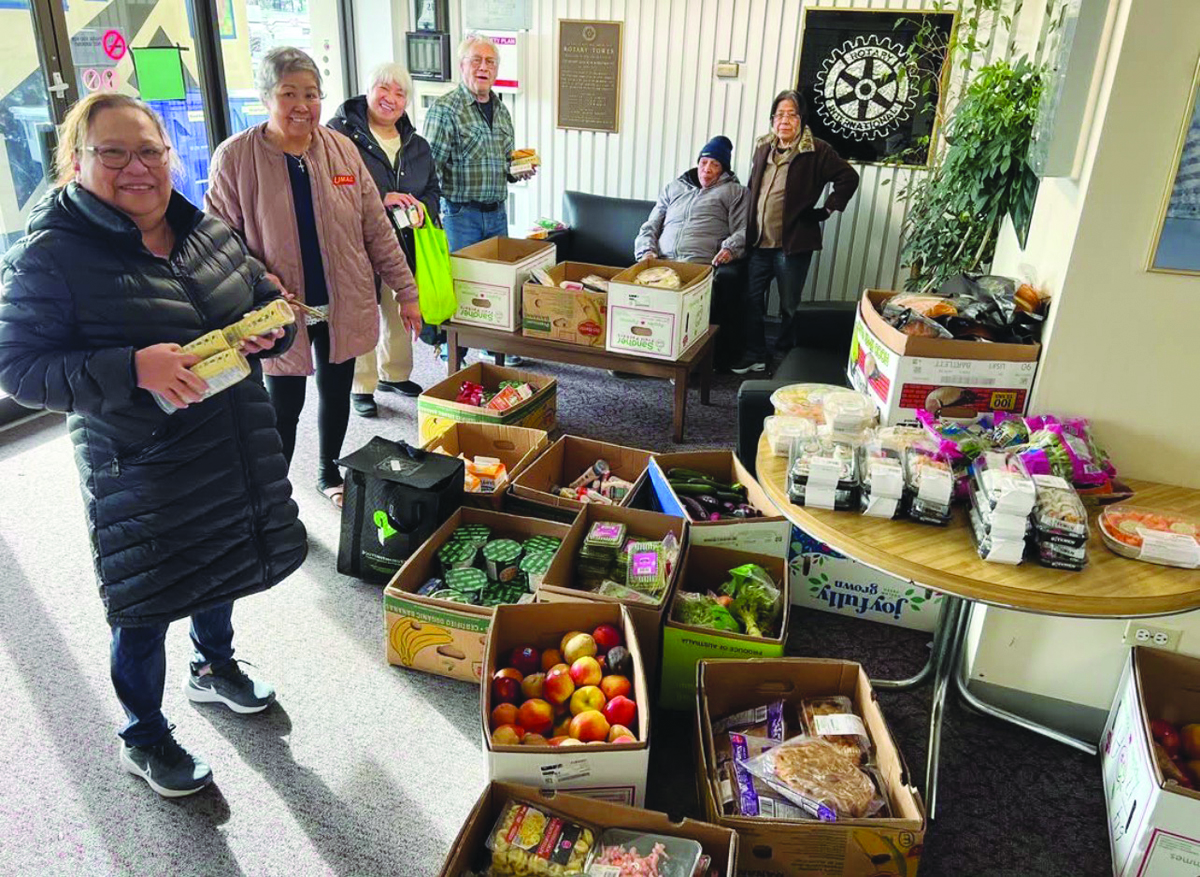
On Tuesday, January 27, Harvest for Hope, in partnership with the Phil Historama Society and led by Rotarians Ed and Carmelita Salonga Tapia, delivered essential household items and fresh food to approximately 120 senior residents at Rotary Tower in New Westminster.
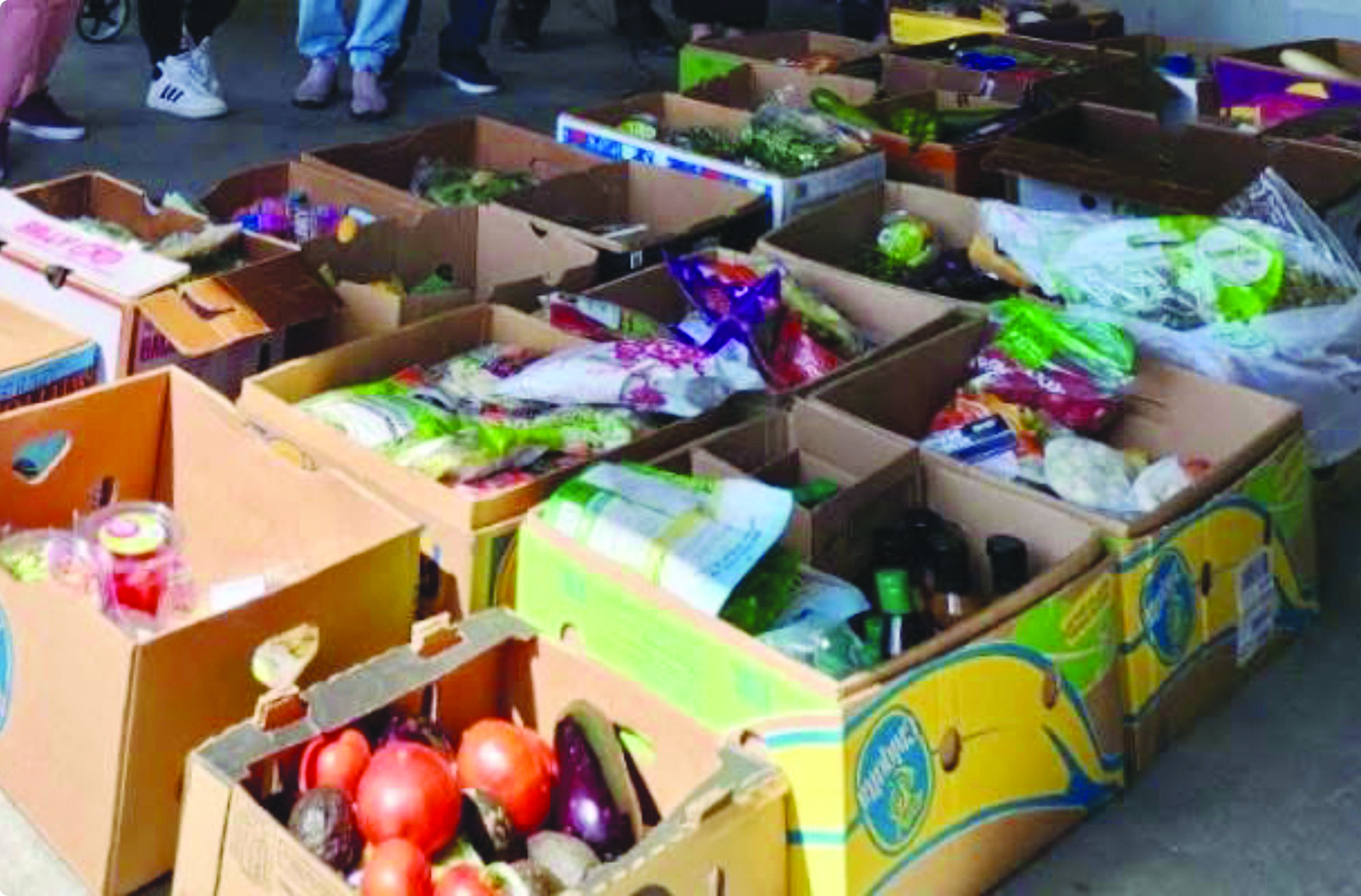
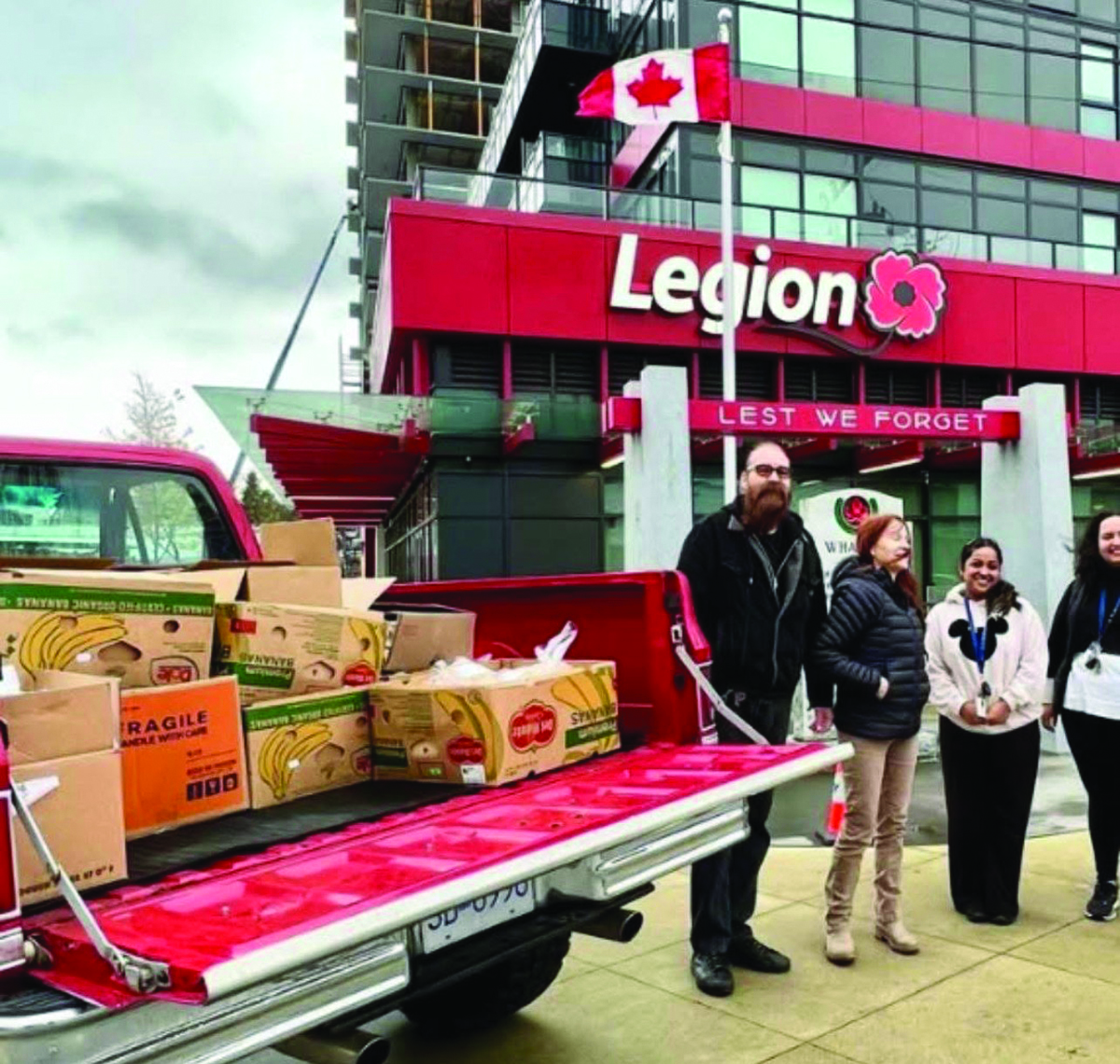
The delivery is part of Harvest for Hope’s ongoing support for five community organizations that receive regular food supplies from the society. As food costs continue to rise and food bank usage has doubled across the region, these additional food essentials are providing much-needed relief to individuals and families facing food insecurity.
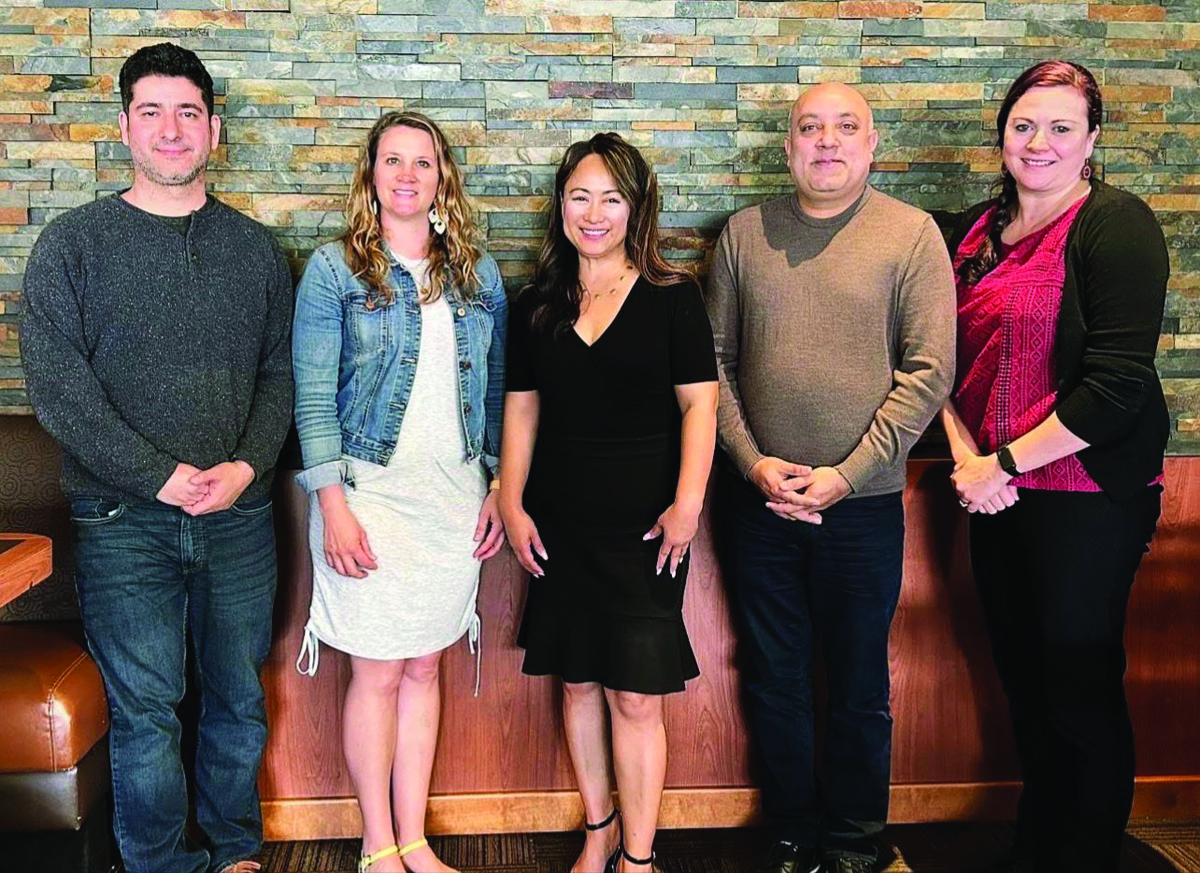
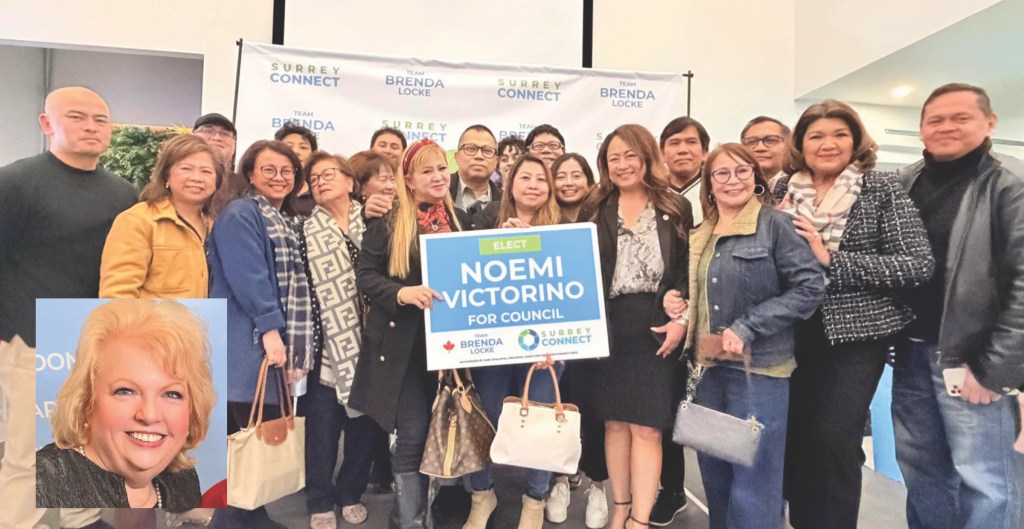
Harvest for Hope was founded in January 2025 by Filipino Canadian community advocate Noemi Victorino. The organization began with the revitalization of a volunteer-run food program that was on the verge of closure and has since grown into a thriving food rescue and distribution initiative.
Today, Harvest for Hope rescues up to 1,400 pounds of food each week, distributing it across four cities: Surrey, Burnaby, Port Coquitlam, and New Westminster. Surrey is where the initiative first took root.
What started as a partnership with a single organization has expanded to five, supporting seniors, veterans, newcomers, refugees, individuals experiencing homelessness, and those facing mental health and substance use challenges.
The effort remains entirely community-led, supported by more than 50 volunteers who contribute their time each week.
In a time of rising costs and growing need, initiatives like Harvest for Hope highlight the critical role of community engagement. By working together—residents, volunteers, and partner organizations—local communities can strengthen their capacity to care for one another and build a more resilient and compassionate region.

 ReyFort Media
Leave a comment