



By Joe Larano Jr.
As I sit down to write my year end article for this column, I do so with a sense of quiet reflection. Writing about the lives and journeys of Filipinos in British Columbia has always meant listening closely to shared experiences, both spoken and unspoken. This year, those stories felt heavier, shaped by events that tested our resilience while also revealing the depth of our collective strength as a community.
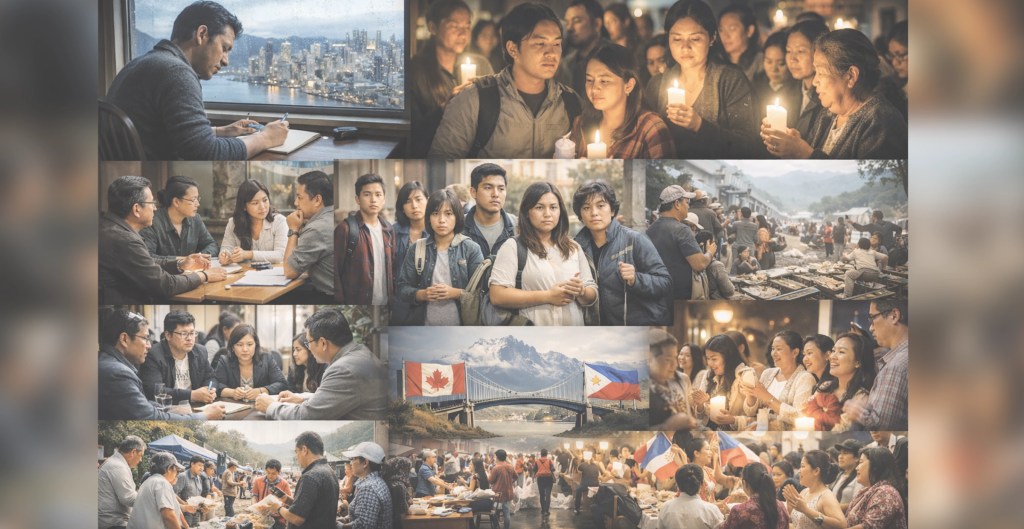
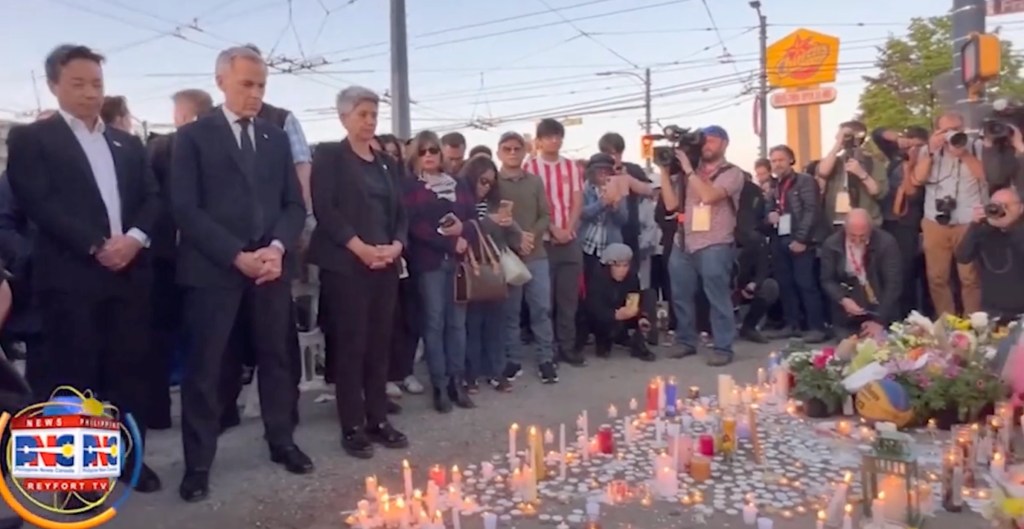
April marked one of the most painful moments of the year with the Lapu-Lapu tragedy. The loss reached far beyond the immediate circle of those affected and was felt deeply across the Filipino community in the province. Yet, amid the grief, compassion rose with quiet strength. Prayer vigils were organized, fundraising efforts followed, and gestures of care and solidarity flowed naturally toward the victims and their families. In those days of sorrow, bayanihan was not recalled from memory but lived fully, reminding us that unity remains one of our strongest foundations.
The year also brought uncertainty through changes in immigration policies that affected Filipino families and international students hoping to build their future in Canada, particularly in British Columbia. Long held plans were disrupted, and expectations had to be recalibrated. Anxiety and disappointment were real, especially for those whose dreams were tied to education, family reunification, and stability. Still, the community responded with dialogue, advocacy, and mutual support, choosing to share information and reassurance rather than withdraw in uncertainty.
Amid these challenges, conversations also emerged that pointed toward hope and continuity, even as they revealed the complexities of moving forward together. Discussions surrounding a Filipino Cultural Center resurfaced with renewed interest, reflecting a shared longing for a space that honors memory, culture, and belonging. At the same time, differing views among community leaders on how this vision should reach fruition led to moments of misunderstanding and disunity. Despite this, Filipino organizations across the province continued their work quietly and consistently, organizing cultural gatherings, civic forums, and community events that strengthened bonds and affirmed identity.
Our attention was repeatedly drawn back to the Philippines as typhoons and earthquakes struck various regions of the country. For many Filipinos in British Columbia, these events were deeply personal, affecting families and loved ones back home. Each report carried a familiar sense of worry and concern. Once again, the community responded through relief drives, fundraising initiatives, and collective action, proving that distance does not weaken responsibility or compassion. In times of crisis, the bond between the diaspora and the homeland remains strong and unwavering.
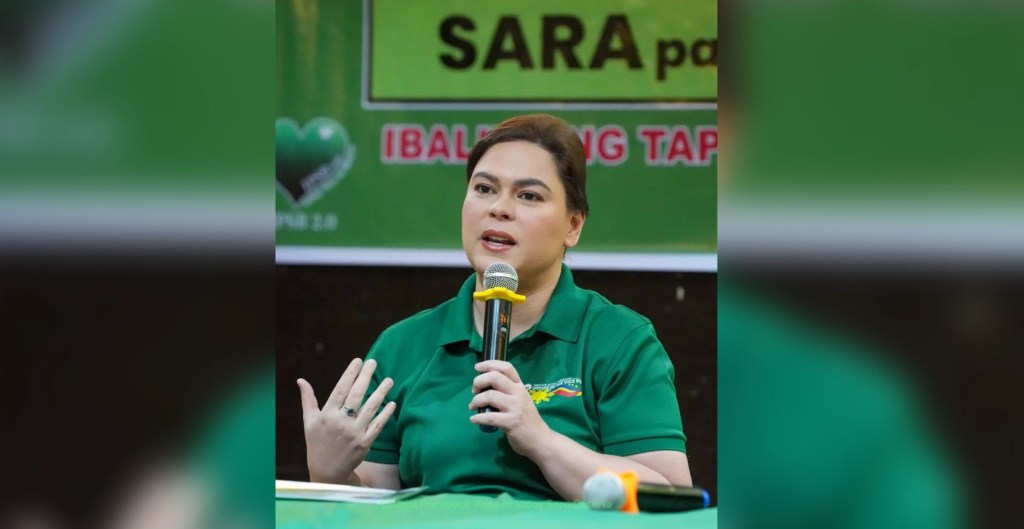
The year was further marked by troubling reports involving anomalous flood control projects in the Philippines and the investigations now underway. These developments stirred concern and disappointment among Filipinos who continue to hope for transparency and accountability in public service. At the same time, they reinforced the importance of vigilance, civic responsibility, and continued engagement in shaping the nation’s future.
Taken together, the events of the year may appear overwhelming. Yet they reveal something deeply instructive about who we are as a people. Difficult seasons clarify values and strengthen resolve. As the year comes to a close, there is still much work ahead, but it is through simple unity, a commitment to do what is right, and a shared sense of civic duty that progress begins. May this year end be remembered not only for its trials, but for how it strengthened our resolve, renewed our purpose, and prepared us for a better and more progressive Philippines. (Contact: jblarano@gmail.com)



 ReyFort Media
Leave a comment