



Reposted by ReyFort Media
By 604 Now
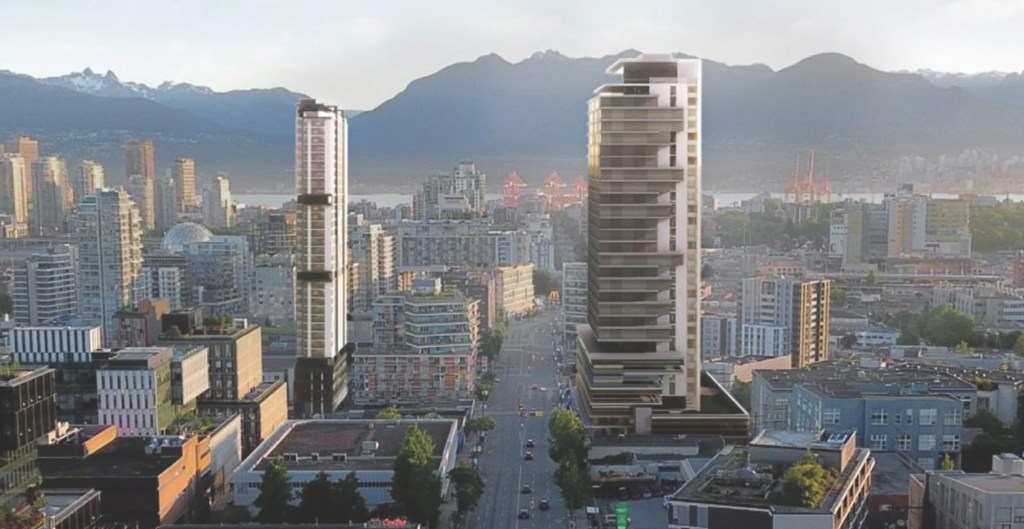
Nearly 200 people filled Vancouver City Hall last week to speak on the proposed Filipino Cultural Centre planned for Main Street. The project, backed by the Filipino Legacy Society and brought forward by Mayor Ken Sim, combines a 60,000-sq-ft cultural centre with two hotel towers, a model designed to fund the centre without city capital dollars.
If you only read the headlines afterward, you’d think the community was split down the middle.
But inside the chamber, it wasn’t close.
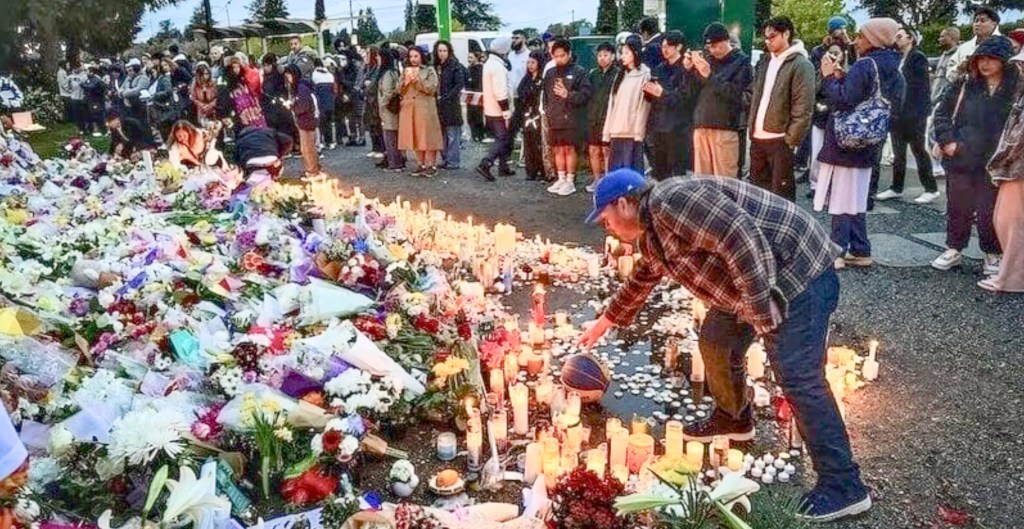
Speakers described “overwhelming support” from Filipinos across Metro Vancouver, seniors wanting to see a centre built in their lifetime, youth asking for space to connect with their language and history, and families still healing from the Lapu Lapu tragedy. The message was consistent: this is our moment, please don’t let it pass.
Yet after more than eight hours of public input, Vancouver City Council delayed the vote.
So what actually happened?
What’s missing in the public narrative is that the strongest opposition did not come from the broader Filipino community, but from two organizations with their own long-standing cultural centre visions, Filipino BC and Mabuhay House Society and from several councillors whose political histories added another layer of tension to the debate.
A Clear Majority Supported the Project
The majority of Filipino speakers supported moving the Main Street cultural centre forward.
They were not affiliated with either Filipino BC or Mabuhay House. They were working families, seniors’ groups, cultural associations, youth leaders, arts advocates, healthcare workers, and longtime community volunteers.
Their reasons were simple:
- The Filipino community has waited decades for a cultural centre.
- Many elders want to see it built while they are still alive.
- The location is central, transit-accessible, and connected to key cultural districts in a multicultural community rooted in arts/culture.
- The project does not rely on City of Vancouver funding.
- The hotel model provides long-term financial sustainability.
Those voices formed the core of the support. But they were overshadowed by a smaller bloc of speakers and organizations with competing visions.
Two Different Cultural Centre Visions and Two Different Funding Paths
The tension at council didn’t emerge from whether a cultural centre should exist, everyone agrees on that. It emerged from how and where it should be built.
1. The Main Street Project (FLS + PortLiving)
- 60,000 sq. ft. centre
- Two hotel towers with ~500 rooms
- Private financing
- No city capital dollars
- Location next to three major transit lines
- Structured to provide operating revenue through hotel partnership
2. Filipino BC & Mabuhay House Vision (South Vancouver)
- Larger multi-use concept
- Separate site and developer
- Part of a multi-year provincial engagement process
- Connected to the Kapwa Strong Endowment
Both are legitimate visions. Both serve different needs. Both require funding, influence, and government support. But that also means both have a stake in how the Main Street proposal moves forward. And that context matters in understanding what happened at council.
Politics Arrived in the Room
The delay wasn’t only about planning questions or developer concerns, politics played a visible role.
RJ Aquino’s background shaped part of the discussion
RJ Aquino, representing Filipino BC, is well-known in civic politics. He previously ran for council with COPE and OneCity, both progressive parties often at odds with Ken Sim and ABC.
That history isn’t disqualifying, but it does provide context.
Aquino urged council to slow the process, raising concerns about financial risk, transparency, and the developer’s history. These are legitimate questions. But for many in the room, it felt like the conversation had expanded beyond the project itself and into broader political divides at City Hall.
Progressive councillors pressed hardest
Councillors Pete Fry, Rebecca Bligh, and Lucy Maloney, asked pointed questions about the developer, timing, and land encumbrances.
Again, scrutiny is part of the process. But several supporters of the centre felt the tone suggested deeper political tensions.
- Bligh has a complicated history with ABC after her departure from the party.
- Fry has frequently positioned himself opposite the Mayor on major files.
- Maloney’s skepticism aligned closely with Filipino BC’s testimony.
Whether intentional or not, many in the room felt the cultural centre had become entangled in the longstanding rivalry between ABC and Vancouver’s progressive bloc.
Why This Site and Why Hotels?
One piece that has been under-reported is why the Main Street site was chosen.
Unmatched transit access
The location sits at a rare convergence point:
- Expo Line: Main Street–Science World
- Future Broadway Subway: Mount Pleasant Station
- Major bus corridors on Main, Broadway, and Great Northern Way
That makes it accessible to Filipino families from Surrey, Burnaby, Richmond, Coquitlam, Langley, and Vancouver Island via SkyTrain.
For a regional cultural centre, accessibility is everything.
Hotel revenue = cultural sustainability
Vancouver is short more than 5,000 hotel rooms, a shortage that impacts tourism, hospital access, and major events.
The Main Street plan introduces approximately 500 new rooms, including extended-stay suites for families seeking cancer or surgical treatment at nearby hospitals. And the hotel model matters for another reason as it provides stable, ongoing revenue for the centre without relying on taxpayers.
For most speakers, that was a compelling part of the plan, not a drawback.
Who Gets to Speak for Filipino Vancouver?
Filipino BC and Mabuhay House have done significant advocacy and community-building work. Their surveys, public engagement, and feasibility studies are important contributions. But the public hearing revealed something else, Most Filipino speakers at City Hall were not aligned with either organization. They came because they believed this project could finally deliver a cultural home after decades of waiting.
Which raises a broader question, Should any single group, no matter how active, be considered the sole voice for a community of over 170,000 Filipino Canadians in Metro Vancouver?
It’s a question worth asking, especially given recent reporting that some Lapu Lapu victims and families have struggled to access assistance months after the tragedy. That doesn’t point to wrongdoing,m but it does raise reasonable questions about how complex community needs are being navigated and whether any one organization can represent all perspectives.
A Moment to Lower the Temperature
When the motion returns to council on December 10, Vancouver has a chance to reset the conversation.
This is not a debate about whether a Filipino Cultural Centre should exist, that part is clear. It is about whether political rivalries, organizational competition, and years-long process debates should outweigh the voices of the people who showed up in person.

 ReyFort Media
Leave a comment