



By Joe Larano Jr.
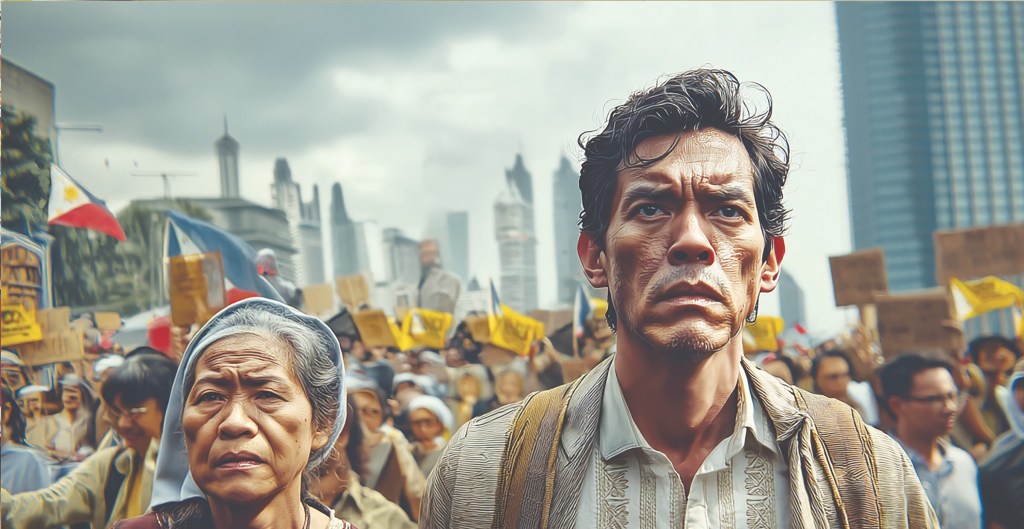
Pedro Penduko was the son of a humble farmer in a small agricultural town in Quezon province. His father, Mang Simeon, toiled on a modest piece of land given through the government’s land reform program, while his mother, Aling Maria, tended to their home and cared for the family. Life was hard but simple, filled with lessons about patience and hard work. Pedro dreamed of becoming a lawyer someday. He wanted to defend the poor and speak for those who could not defend themselves. His dream was not for wealth or fame, but to help uplift his fellow Filipinos.
Every morning before school, Pedro would help his father in the fields. When harvest season came, he joined the farmers as they worked under the sun, listening to their talks about life and politics. Many complained that government projects in their town never reached them, while some local officials grew richer each year. Pedro would often ask his father why things were unfair. Mang Simeon would only smile and say, “Anak, do what is right and never be like them. Our country needs honest people more than rich people.” Those words stayed with Pedro as he grew older.
When Pedro went to Manila for college, the city opened his eyes to a bigger world. He saw tall buildings and busy streets, but he also saw beggars sleeping on sidewalks and children selling flowers instead of going to school. In his university days, he worked part-time to pay for his needs. He studied law with great passion, believing that education could be the key to change. Yet, he could not help but feel disappointed whenever he read about corruption in government. He learned about officials who stole public funds through ghost projects and overpriced contracts. Each scandal seemed bigger than the last, and yet no one was ever punished. He asked himself, “What kind of justice do we have when the poor are jailed for stealing bread, but the powerful go free after stealing millions?”
During a school break, Pedro went home to visit his family. He discovered that the local mayor’s office was collecting bribes from farmers to include their names in an agricultural assistance program. His father, who refused to pay, was removed from the list. Pedro was furious, but his father reminded him to stay calm. “Let them do what they want. What matters is that we remain honest.” That night, Pedro wrote an article about the corruption he had witnessed. His story was published in a local newspaper and later reached national attention. It inspired many readers who believed that truth could still prevail, even from a small town.
After graduating from law school, Pedro did not seek wealth or power. Instead, he founded a small legal aid center to help farmers, laborers, and ordinary citizens fight for their rights. His integrity and courage made him a well-respected figure. He was threatened many times, but he continued to expose wrongdoings. “If we do not fight corruption,” he said in one of his speeches, “then corruption will continue to destroy our nation.” His words spread across communities and reached even Filipinos overseas who had long lost hope.
Pedro Penduko became more than a folk hero. He became a symbol of every Filipino who remained honest and courageous despite hardship. He represented the teacher who stayed true to his duty, the overseas worker who toiled for his family with dignity, and the citizen who followed the law faithfully. His story reminded everyone that true heroes are not found in comic books, but in the hearts of people who choose to do what is right.
The story of Pedro Penduko tells us that change does not come from one man alone. It begins with each of us. We cannot wait for a superman to fix our country. We must become responsible citizens who vote wisely, obey the law, and refuse to be part of corruption. Every act of honesty and integrity, no matter how small, adds up to a stronger nation. As Pedro once said, “When every Filipino becomes a hero in his own way, our country will rise again.” The power to build a better Philippines lies not in the hands of a few, but in the hearts of all its people. (Contact: jblarano@gmail.com)

 ReyFort Media
Leave a comment