




By Bella Balisi-Bevilacqua
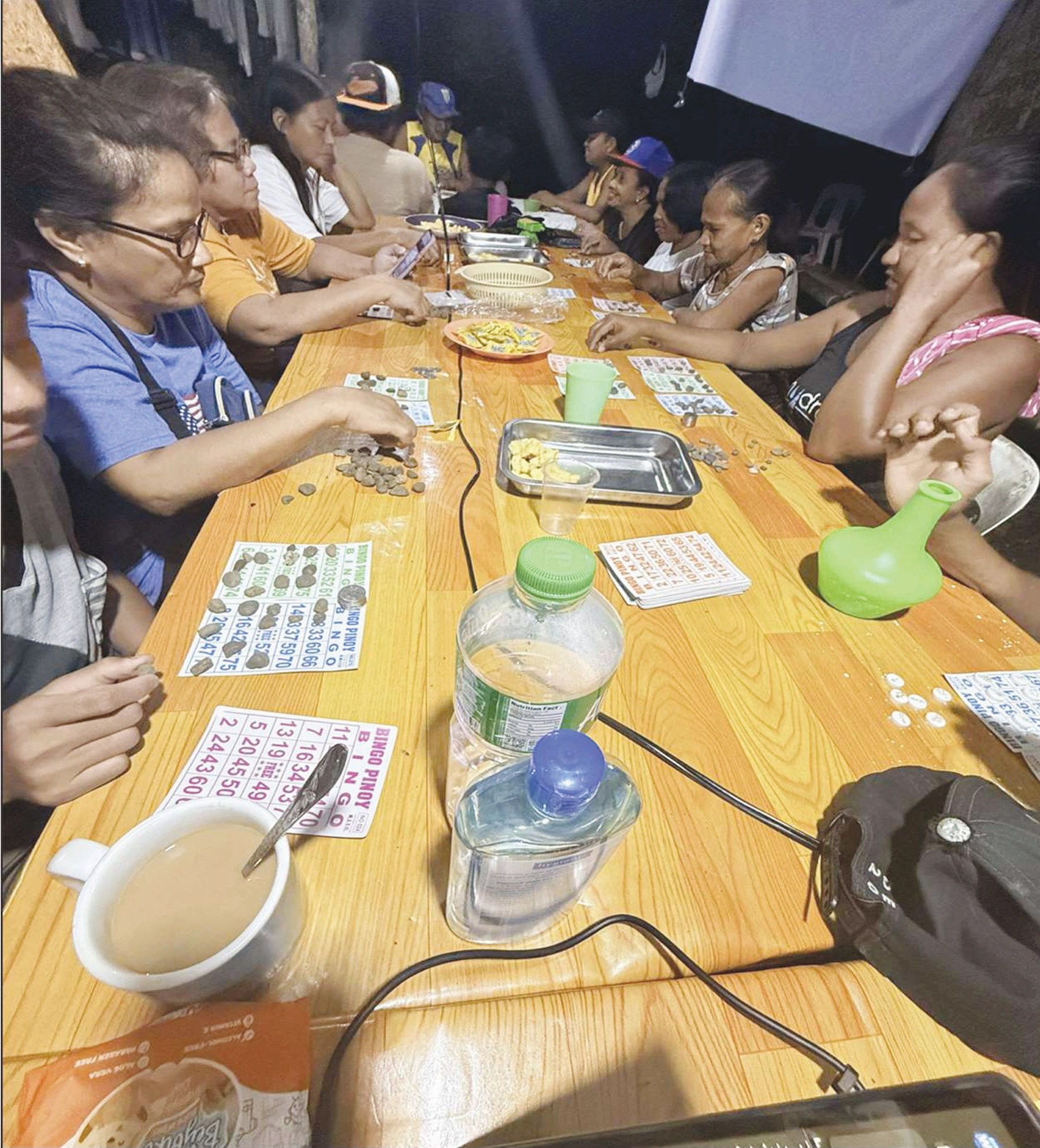
Gattaran, Cagayan, PH, 10 October 2025 – Cagayan. I do not just recall a place on the map of the Philippines. I remember a circle of life that shaped me long before I could articulate what it meant. Village life is not merely a backdrop to my childhood; it is the very texture of my early years.
Growing up in Cagayan means waking up to mornings that include barking dogs, quacking ducks, and carabaos asking for water. Alarms or traffic reports do not dictate life here, but by the crowing of roosters and the slow brightening of the sky. The October air is crisp, tinged with the scent of rice paddies and damp earth. Life moves at a pace that outsiders might call slow, but to my people, it is simply natural. There is no rush to consume or compete; instead, there is a quiet insistence on presence—on being where you were, with the people around you.
As a child, I did not fully grasp the privilege of that simplicity. I only knew that afternoons stretched wide, filled with games played barefoot on dusty roads, or with the thrill of climbing fruit trees whose branches seemed to bend just for us. Mangoes, guavas, and tamarinds were not commodities; they were gifts, shared freely among neighbours. If you wandered into a friend’s home, you were offered food without question, because in the village, hospitality was not a performance—it was instinct. Generosity defines everyone.
What strikes me now, looking back, is how much of my character was formed in those small, ordinary exchanges. In Cagayan, community is not an abstract value; it is lived daily. Neighbours are not just people who live beside you—they are extensions of your family. When someone harvested rice, others came to help. When a house needed repair, men gathered with tools, and women brought food to sustain them. As a child, I absorbed this ethic of mutual care without realizing it. Only later, when I encountered the more individualistic pace of city life, did I understand how rare and precious that sense of interdependence was.
Of course, the village life I am talking about is not idyllic in every sense. There are hardships—typhoons that battered crops, long dry spells that tested patience, and the ever-present challenge of limited resources. I remember the anxiety in the adults’ voices when harvests were threatened, or when a neighbour fell ill and medical care was far away. Yet even in those moments, there was resilience. People leaned on one another, not because they had much, but because they had each other. That resilience, born of necessity, became a quiet strength that I carry with me still.
As a child, I sometimes longed for what I imagined city life to be—bright lights, endless entertainment, and opportunities that seemed larger than our fields and rivers. But now, with distance and perspective, I see that the village gave me something the city could never replicate: a grounding in values that are not easily shaken. Patience, gratitude, and respect for the land are not lessons you can learn from books alone; they are absorbed through lived experience.
Cagayan’s villages also taught me to see beauty in the ordinary. The sight of carabaos plodding steadily through the fields, the sound of children’s laughter echoing across the riverbanks, the glow of fireflies on humid nights—these were not spectacles, but everyday wonders. As a child, I took them for granted. As an adult, I realize they were teaching me to notice, to appreciate, and to find meaning in simplicity.
When I recall those days, I also return to a version of myself that was unburdened by the complexities of adulthood. The child who ran freely on unpaved roads, who listened to elders tell stories under the stars, who felt safe in the embrace of a community—that child still lives in me. And perhaps that is why village life in Cagayan continues to matter, even from afar. It reminds me that identity is not only shaped by achievements or ambitions, but by the soil in which we were first planted.
Today, living far from that village, I sometimes feel the dissonance between the pace of modern life and the slower, steadier rhythm of my childhood. Yet I also recognize that the lessons of Cagayan are not confined to geography. They are portable, carried in the way I approach challenges, in the way I value relationships, and in the way I insist on clarity and integrity in all that I do. The village may be distant, but its imprint is permanent. (MBB)




 ReyFort Media
Leave a comment