



By Rosette Correa
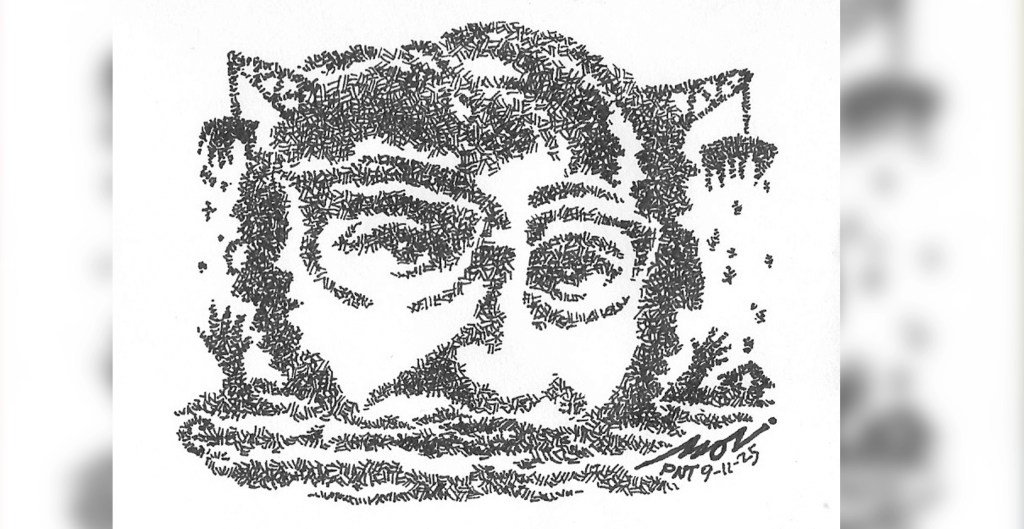
In the Philippines, a torrential wave of corruption is drowning the very infrastructure meant to protect citizens. Since 2022, the government has allocated approximately ₱545 billion for flood-control projects—only to discover that thousands of these schemes were substandard, undocumented, or didn’t exist at all. An internal audit confirmed that many projects are ghost works, while only a minority of contractors have cornered a disproportionate share of the funds. In some cases, multiple projects in different locales were suspiciously awarded at identical costs. Not that this is anything new in the Philippines.
Witnesses and whistle-blowers have presented damning testimonies in congressional inquiries. Construction owners Pacifico and Sarah Discaya alleged that at least 17 members of the House demanded 25 % kickbacks on flood-control contracts, while a former DPWH engineer accused two senators of receiving 30 % kickbacks on projects in Bulacan. Reports estimate financial losses from corruption amounting to 25–70 % of project costs—translating to billions of pesos wasted. Experts and civil society groups, including Greenpeace Philippines, rightly call this not just corruption but a theft of climate funds—crippling the nation’s ability to adapt to increasingly destructive storms.
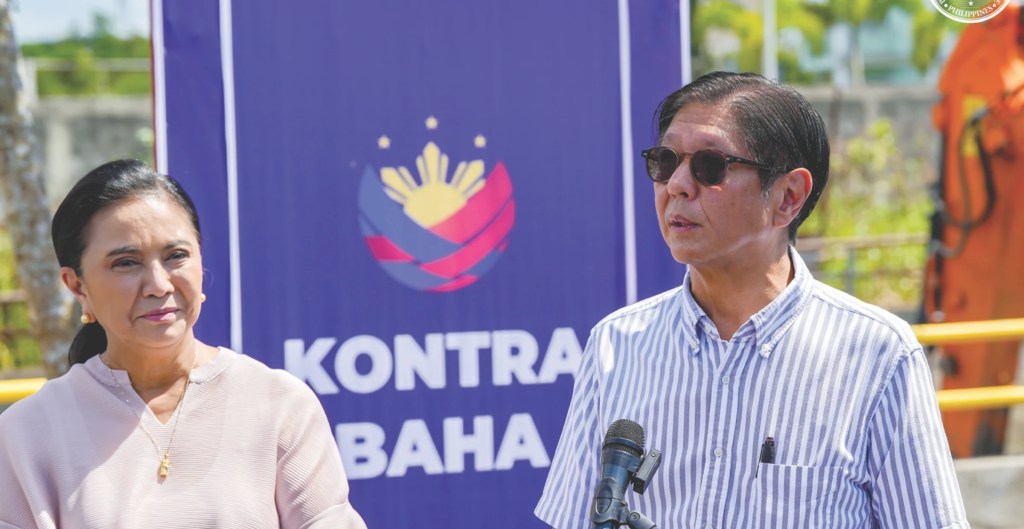
Amid mounting public outcry, President Bingbong Marcos Jr. launched investigations, created a reporting site and ordered agencies to blacklist erring contractors and suspend bidding. Not that this would do any good.
But even as that unfolds, a darker trend has emerged on social media: netizens increasingly target not just corrupt politicians but their children—blaming them, shaming them, effectively staging “public trials.” This is worrying—and antithetical to democracy.
It is essential to stand against corruption—but not at the expense of democratic values. When social media turns into judge, jury, and executioner—especially targeting children who may have no part in their parents’ alleged crimes—we cross into dangerous territory. Public shaming may be emotionally satisfying, but is morally and legally unjustifiable. It undermines the rule of law, risks violating personal rights, and corrupts civic discourse.
Democracy depends on due process: investigations, trials, and accountability through proper channels—not through online vilification. Corrupt officials must be held accountable, but society must do so within the boundaries of justice and human dignity.
In the Philippines—a nation beset by typhoons, floods, and poverty—these corrupt flood-control budgets are not just a technical failure: they are a moral collapse. Lives are lost, homes destroyed, and trust eroded. Yet, no number of ghost projects can justify sacrificing democratic ideals for emotional retribution.
As investigations unfold, citizens must champion transparency and the restoration of faith in governance—while resisting the urge to weaponize social media against innocent family members of the accused. In the quest for justice, let us not abandon the values that define us as a democratic and humane society.
 ReyFort Media
Leave a comment