




By Bella Balisi-Bevilacqua
Milan, Italy, 2025 July 28 – Currency reflects power. Money is more than paper and code. It’s a distilled expression of national ambition, resource endowments, and geopolitical influence. When we compare currencies, we’re linking the stories they tell about their countries’ histories, their economic locomotives, and the invisible forces that push them up or drag them down. In that sense, examining the Canadian dollar alongside the US dollar or the euro reveals a deeper narrative about who holds power and who follows.
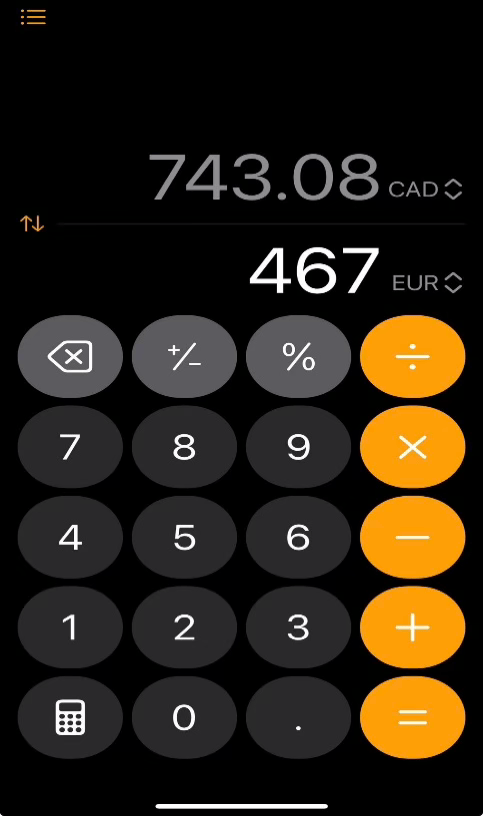
The Canadian Dollar as a Commodity’s Mirror
The loonie often flies under the radar, yet it’s a powerful barometer for global demand for commodities, especially energy. Canada’s economy leans heavily on oil, timber, and minerals; when resource prices surge, so does the Canadian dollar. Conversely, a slump in crude oil can drag the loonie down, even if domestic fundamentals remain sound. Unlike the US or eurozone, Canada’s monetary policy can’t ignore commodity cycles, which tie its currency to the volatile fortunes of raw materials markets.
The US Dollar: Unrivalled Hegemon
The US dollar sits atop global finance because it grew up alongside the post–World War II order. From the Bretton Woods conference to petrodollar agreements, Washington built a fortress around its currency. Central banks everywhere stash dollars in their vaults as a safety net. American economic might underpins this status—deep capital markets, military reach, and a relatively stable political system.
The Euro’s Fragile Illusion
Compare that with the euro, which was born of political compromise rather than organic economic unity. Europe’s single currency masks vast divergences—Germany’s export juggernaut sits side-by-side with struggling southern economies. When a crisis hits, bond yields for Italy or Greece can spike overnight, threatening contagion across the zone. European Central Bank interventions buy time, but proper fiscal integration remains elusive. The euro’s value fluctuates as much in response to political headlines—such as election results and populist surges—as it does to macroeconomic fundamentals.
Currency Warfare: More Than Just Rates
Beneath the veneer of spot rates and interest differentials lies a more aggressive struggle—a form of economic warfare. Countries manipulate their currencies, impose capital controls, or threaten sanctions to gain leverage. Consider China’s intermittent yuan devaluations, which jolt global exporters and reshape trade balances overnight. Or think of Russia’s ruble plunging under sanctions, strangling its ability to import critical goods. Currency moves become political arrows, aimed at rivals’ vulnerabilities.
- Competitive devaluation: Governments intentionally weaken their currencies to boost exports.
- Sanction-driven isolation: Cutting a country off from SWIFT or freezing reserves effectively cripples its currency.
- Digital currencies: Emerging central bank digital currencies (CBDCs) add a new layer to monetary power plays.
The Hidden Costs of Dollar Dominance
Dollar supremacy isn’t free. For emerging markets, holding dollar-denominated debt exposes them to vulnerability from shifts in US monetary policy. A Fed rate hike can trigger a wave of defaults in far-flung economies, unleashing financial stress back onto Wall Street. This feedback loop underscores how American domestic decisions carry outsized consequences beyond its borders. Meanwhile, nations chafe under the constraints of a system that privileges one currency over all others.
Beyond National Borders and The Fragmentation Ahead
Today, we’re looking at the earliest cracks in the dollar’s fortress. Digital payments outside the SWIFT network, cryptocurrency corridors, and regional trade blocs that utilize local currencies are eroding traditional structures. China’s digital yuan experiments aim to bypass traditional clearinghouses. Meanwhile, proposals for a new reserve basket—perhaps including gold, SDRs, or a coalition of strong currencies—hint at a future where power is less centralized.
Embracing Currency Realism
The hard truth is that no currency’s value is purely an economic outcome; it’s a geopolitical statement. Comparing the Canadian dollar to the greenback or the euro reveals underlying dependencies—on commodity cycles, political stability, and international alliances. Recognizing this doesn’t just deepen our understanding of exchange rates; it challenges us to think about the future of global finance. Are we headed toward a multipolar currency world, digital fragmentation, or continued dollar dominance? The answer will reshape trade, power, and our everyday lives. (MBB)






 ReyFort Media
Leave a comment