



By Bella Balisi-Bevilacqua
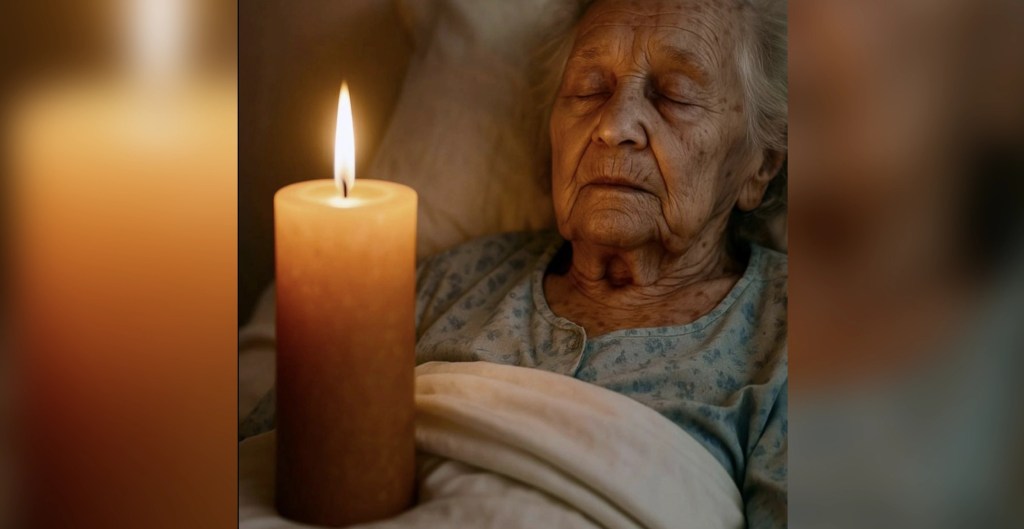
Every time I remember that my mother and my sister, born next to me, are gone, I end up waking the next morning with a hollow ache behind my ribs, as if some vital piece of me has slipped away overnight. Today, the summer sun creeps through the blinds, painting lazy stripes across the floor, but it brings no warmth. Being miles from home has turned ordinary moments into minefields of memory—each passing bus, each crowded street corner echoes with laughter I once shared with family. Grief, I’m discovering, is fluid; it seeps into every crack of my life when I least expect it, leaving me unanchored, untethered from everything I know.
The messages came late last night, when I was already half asleep. An unexplainable headache came with my eyes barely open while I was checking my inbox. A crackle of static, the familiar tremor in a voice, and then the words: Nana is gone. She was the last link to a past that felt secure and complete, the living testament of all our roots. The news sparked a whirlwind of emotions so raw I could barely breathe. Shock rolled into disbelief, disbelief into tears, and I couldn’t stop. It wasn’t just Nana I lost but a sense of continuity, the quiet turning point between my childhood and everything that followed.
Memories of Lilang Petra flood my mind when I least expect them. I see her in the backyard, hands fixed with the hard broom, trying to separate the leaves from the soil. She used to bathe me in the morning sunshine, usually ranting and laughing like I understood her—tales of youth, rigour, laughter, and love. I can almost smell the “Safeguard” soap she kept by the sink, feel the worn quilt she spread over my shoulders while drying my hair. These small things grounded me then; they feel like fragments of a life I can’t fully reclaim now.
Today, repeatedly, I replay conversations I never had, apologies I never offered, hugs I never gave. There’s a question that haunts me: why now? I wonder how many more mornings I would have shared with her, how many stories left unspoken. Guilt coils around my heart, tight as a noose. I search for forgiveness in the echoing halls of my mind, but it’s impossible to pinpoint where to even begin.
Distance magnifies grief in strange ways. On holidays, I scroll through cheerful family photos—Nana leaning into the hammock in front of our old house in the Philippines with a bottle of Coca-Cola, her smile a silent promise of stability. Or was that a smile, checking in with a tired heart and body? I feel excluded from these moments, exiled by geography and circumstance. When the world reminds me of her absence—a question about my grandparents, a familiar family recipe at a Filipino-Canadian restaurant or gathering, —I flinch. The outside world carries on oblivious to my loss, while I stand on the fringes, grief-stricken and untold.
Sometimes, the grief wells up in unexpected moments: the final note of a song, the hum of a kettle, the sight of an old receipt pinned to my fridge door. Tears come without warning, stinging my vision in public spaces where I don’t know a single face. I slip away to restrooms or find quiet corners, try to bury the hurt in a smile. It’s unexplainable, this barrage of emotion—both tender and merciless. I must remind myself that I’m allowed to feel this deeply, even if I’m not with the people who would understand.
In the quiet of my study table, I create small rituals to feel closer to her. I sip coffee like I am talking to her, whispering memory after memory until my mug runs dry, and I have to refill again. I always write letters I’ll never send, and today, I just did that once more. I am telling her how much I loved her cooking, how her laughter sounded like the safest place in the world. These acts of remembrance are imperfect stand-ins for family gatherings I can’t attend. They feel fragile, like press-on nails over a crack in the wall, but they’re all I must hold onto the past.
Loneliness is what gets me most. It’s not just being away from family; it’s carrying this weight alone. Here, I have no siblings to share half-formed sentences with, no parents to offer comfort in the familiar cadence of home. Instead, I reach out to friends who gently ask, “How are you?” and I nod, pretending to be okay. There’s a loneliness in being understood only in fragments, in knowing that real solace lies beyond a phone call, in a thousand-mile hug I can’t receive.
And yet, somewhere in the heartache, I sense a fragile kind of hope. Grief, I’m learning, can be an invitation to grow, to honour those we’ve lost by living more fully. I carry my Granny Petra’s voice in my head right now, along with my mom’s, sister Lanie’s, Lilong Ikoy’s, Lilang Atriz’, and Lilong Berto’s – with the belief that kindness is the greatest gift one person could give another. I am far from my Philippine home, and I acknowledge this with lessons. Someday, I’ll return, not just to a house or a room, but to a circle of shared stories. May this write-up guide me through nights of tears toward the dawn of acceptance. Until then. (MBB)



 ReyFort Media
Leave a comment