




By Bella Balisi-Bevilacqua
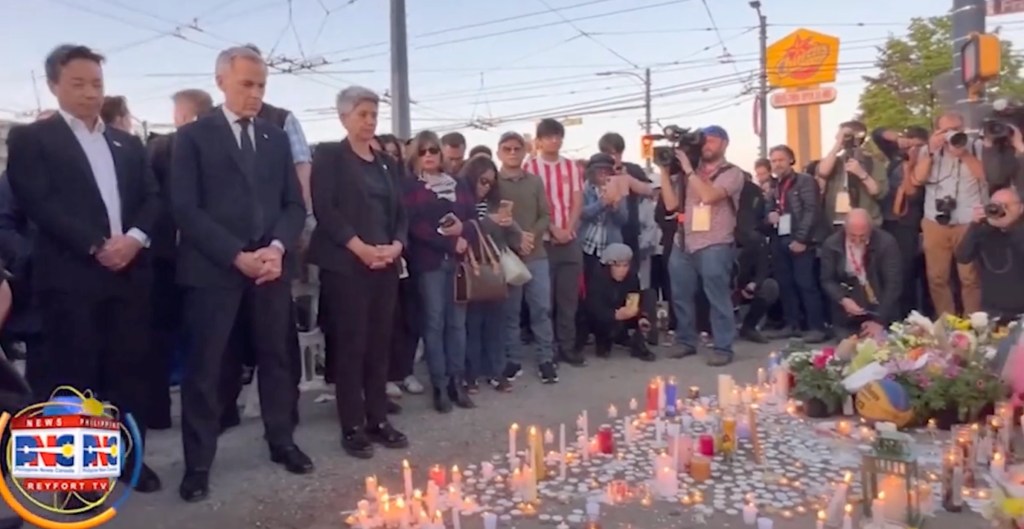
On April 26, 2025, Vancouver witnessed an unimaginable act of violence. A car-ramming incident tragically claimed eleven lives and left 30 more injured, just as the Lapu-Lapu Festival was closing. The horrific event cast a long shadow over what should have been a moment of celebration and cultural pride. In reflecting on this tragedy, we mustn’t reduce the event to the sterile label of the “April 26 Tragedy” or the mere enumeration of the date. Instead, this tragic moment should be remembered as the Lapu-Lapu Tragedy, not only to honour the victims but to honour the spirit of resistance, unity, and pliancy that the Lapu-Lapu Festival represents.
The Lapu-Lapu Festival as a Symbol of Resistance and Identity
The Lapu-Lapu Festival in Vancouver, held in honour of the Filipino national hero, Chieftain Lapu-Lapu, should be a festivity of Filipino identity and resistance against foreign oppression. Lapu-Lapu’s boldness against the Portuguese explorer Ferdinand Magellan in 1521 has come to symbolize the fight for sovereignty, self-determination, and cultural pride. To associate this tragedy with his name is to reaffirm those values in the face of a senseless attack on a community gathering that embodies those ideals.
When the car-ramming occurred, it was not just a senseless act of violence; it was an attack on the Filipino community itself, one that threatened to undermine the collective pride that the Lapu-Lapu Festival represents. While we cannot conclude that this was not just a random act, it happened during an event designed to honour the memory of Lapu-Lapu’s courageous fight against colonization. The festival is more than a party—it is a cultural beacon for the Filipino diaspora in Vancouver, a symbol of community and pliability. To remember the tragedy solely as the “April 26 Tragedy” would be to erase the significance of the context in which it occurred. It was an attack on a community’s cultural identity, and thus, it should be remembered as the Lapu-Lapu Tragedy.
Honour the Victims, Not Just the Date
When tragedies strike, it is human nature to seek meaning and closure, and often, we do so by anchoring events to specific dates. However, focusing solely on the date of April 26, 2025, risks reducing the event to a mere historical marker, devoid of the emotional and cultural significance it once carried. By referring to it as the “Lapu-Lapu Tragedy,” we shift the focus to the more profound implications of the event: the pain, the loss, and the collective trauma experienced not only by the Filipino community but also by everyone who shared the experience and agony.
To remember the tragedy by the date alone is to deny the community its moment of grieving, its collective voice. The victims of the car-ramming were not just anonymous numbers—they were individuals, part of a larger community whose identity and spirit were attacked that day. The Filipino diaspora in Vancouver has long fought to carve out a space for its cultural and historical narrative in Canadian society. By linking this tragedy to the name of Lapu-Lapu, we acknowledge that the attack struck at the very heart of a cultural gathering that represents centuries of resistance and survival. It is a way to honour the victims by recognizing the cultural significance of the event.
Canada’s Shared Responsibility
The tragedy that unfolded in Vancouver on April 26, 2025, should not be seen in isolation. It highlights the need for a broader reflection on community safety, hate, and the marginalization of minority communities in Canada. Vancouver, a city that prides itself on diversity, should not be a place where cultural celebrations turn into scenes of horror. The Filipino community has long faced challenges in preserving its culture in the face of assimilation pressures and discrimination. When an act like this occurs, it serves as a potent reminder that cultural communities are often at the mercy of larger societal forces that may not always understand their identities.
The Lapu-Lapu Tragedy is not only a moment for the Filipino community to mourn but also for Canada at large to reflect on the state of social harmony, safety, and inclusivity. In commemorating the horrific event as a “Lapu-Lapu Tragedy,” we remind ourselves that the Filipino community and other minority communities deserve to feel safe and proud of their heritage in every corner of the country. What happened should spark a broader conversation about how we, as a society, can better protect the cultural celebrations and gatherings that enrich our collective pride in individuality.
Reclaiming the Narrative of Resistance
There is a real danger in reducing tragic events to simple dates or nonchalant labels. When we remember the Lapu-Lapu Tragedy, we are not just remembering the loss of life—we are also remembering the fight for dignity, cultural pride, and freedom. This incident should not be forgotten as an isolated act of violence. Instead, it must be framed as part of a larger narrative against forces that seek to undermine the identity and unity of cultural communities.
In many ways, this tragic event mirrors the very resistance embodied by Lapu-Lapu centuries ago. Just as Lapu-Lapu fought to protect his people and their sovereignty, the Filipino community in Vancouver continues to fight to preserve its cultural identity and legacy in the face of challenges and prejudice. To remember the tragedy by its full historical context is to honour that ongoing struggle for dignity and cultural recognition.
Lapu-Lapu Tragedy
The tragic car-ramming incident in Vancouver on April 26, 2025, must not simply be remembered as an “April 26 Tragedy.” It is a Lapu-Lapu Tragedy because it occurred during an event that celebrated Filipino identity, resilience, and the spirit of resistance that Lapu-Lapu represents. By framing the tragedy within this cultural context, we ensure that the victims are remembered not just by the date but as part of a larger narrative of struggle and survival. To do so is to honour their lives, their community, and the spirit of resistance that will continue to define the Filipino diaspora in Vancouver and yonder. (MBB)





 ReyFort Media
Leave a comment