



By CJ Lacaba
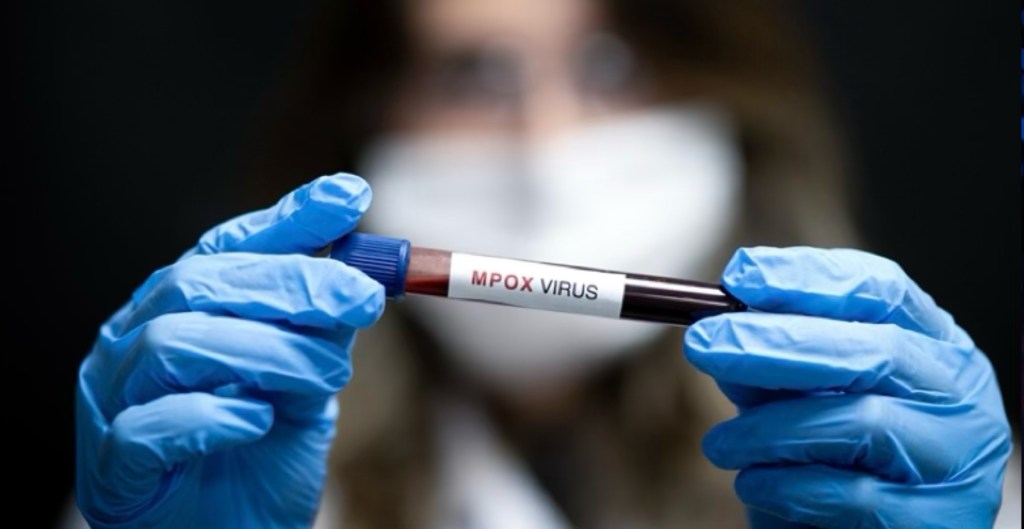
As cases of Mpox (formerly known as Monkeypox) continue to rise globally, health officials are sounding the alarm, particularly in countries like the Philippines, where new clusters have been reported in recent weeks. With its potential for rapid spread and serious health implications, public awareness and prevention are more important than ever.
What is Mpox?
Mpox is a viral zoonotic disease caused by the monkeypox virus, a member of the orthopoxvirus family, which also includes smallpox. Although historically confined to Central and West Africa, recent years have seen its spread to various regions, including Europe, North America, and Southeast Asia.
Current Situation in the Philippines
As of May 2025, the Philippine Department of Health (DOH) has confirmed multiple active cases of Mpox, primarily in urban centers such as Metro Manila, Cebu, and Davao. Health authorities are urging the public to remain vigilant and practice strict personal hygiene.
How is Mpox Contracted?
Mpox spreads through:
- Close physical contact with an infected person’s rashes, scabs, or body fluids
- Respiratory droplets during prolonged face-to-face contact
- Contaminated items such as bedding, clothing, or towels
- Direct contact with infected animals or their bodily fluids
While the virus is not as contagious as COVID-19, certain settings, such as crowded spaces or shared living environments, can increase the risk of transmission.
Symptoms of Mpox
Symptoms typically appear within 5 to 21 days after exposure and may include:
- Fever and chills
- Headache and muscle aches
- Swollen lymph nodes
- Fatigue
- A distinctive rash that often begins on the face and spreads to other parts of the body
The rash evolves from flat lesions to fluid-filled blisters, which eventually scab over. The illness usually lasts 2 to 4 weeks.
Do’s and Don’ts: How to Protect Yourself
✅ Do:
- Wash hands regularly with soap and water or use alcohol-based sanitizers.
- Avoid close contact with individuals showing symptoms.
- Wear a mask and maintain physical distancing in public or high-risk areas.
- Disinfect surfaces and items shared with others.
- Report symptoms to a healthcare provider immediately if you suspect exposure.
❌ Don’t:
- Do not share personal items like towels, bedding, or grooming tools.
- Avoid touching skin rashes or scabs, even if they appear minor.
- Do not delay seeking medical care if symptoms appear.
- Avoid self-diagnosis or self-medication without professional consultation.
What To Do If You Suspect Infection
If you experience symptoms or believe you’ve been exposed:
- Isolate immediately to prevent further transmission.
- Contact your local health authority or healthcare provider for guidance.
- Follow medical advice for symptom management and quarantine procedures.
There is currently no specific treatment approved for Mpox, but antiviral medications and supportive care can help manage symptoms. Vaccines, such as the smallpox vaccine, may offer cross-protection and are being used in some countries for high-risk populations.
A Call for Awareness and Responsibility
The DOH, along with international health agencies like the World Health Organization (WHO), continues to monitor the situation and implement measures to control the outbreak. Public cooperation remains critical.
As the world faces yet another health challenge, education and early prevention are key tools in minimizing the impact of the Mpox outbreak. By staying informed and taking simple but effective precautions, we can protect ourselves and our communities.
For more updates and health advisories, follow Reyfort Media Group and the Department of Health’s official channels.





 ReyFort Media
Leave a comment