


By Pam Gervacio
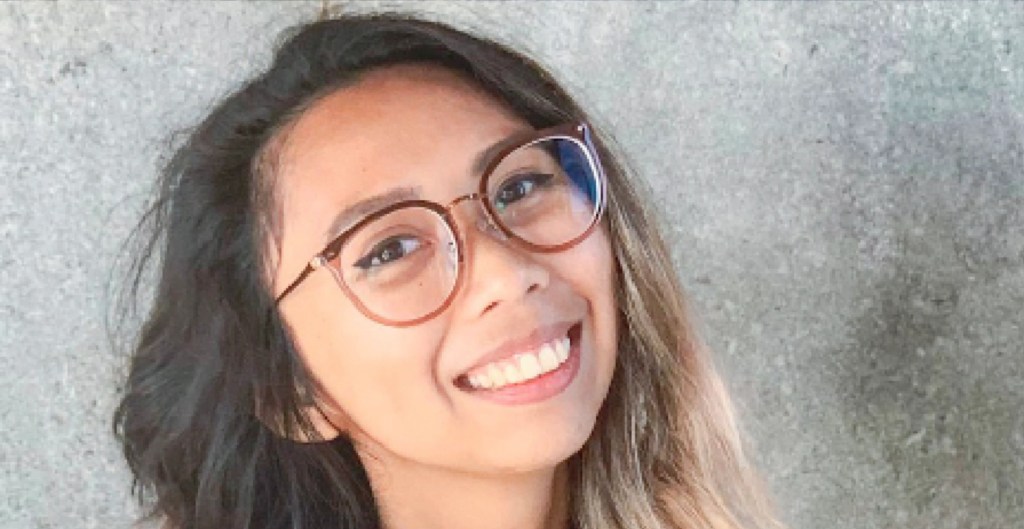
When Maria Villamera looks back on the journey that brought her to where she is today-a respected educator, advocate, and community builder-one defining memory stands out. She was 13 years old, newly arrived in Canada from the Philip-pines, trying to find her footing in a world where she felt like she didn’t quite belong.
As a Bisaya Filipino in a predominantly Tagalog-speaking Filipino community in British Columbia, Maria faced unexpected cultural and linguistic barriers. “I didn’t speak Tagalog fluently, and that made me feel isolated, even among people who shared my heritage,” she recalls. At school and in broader Canadian society, she was navigating a new culture, trying to figure out whether she was expected to be more Filipino or more Canadian-never feeling like she was enough of either.
That feeling of being in-between, of not fitting neatly into one box or another, became the seed for something transfor-mative. “Over time, that experience became a driving force behind my work,” Maria explains. “I became determined to create inclusive spaces where no one has to choose one part of themselves over another.”
Today, Maria is doing just that-building communities that don’t just accept differ-ences, but celebrate them. Her passion for inclusivity is deeply personal. As someone who is also neurodivergent, Maria understands the subtle yet powerful ways that people can be excluded-not out of malice, but because our systems often aren’t built with difference in mind.
“My lived experiences of cultural disconnection and neurodivergent invisibility made me realize how much that our communities need spaces that reflect true inclusion-spaces that honour multiculturalism, neurodiversi-ty, and intersectionality,” she says.
A Passion Project with Purpose: Sinag Kids Among her many initiatives, one project particularly close to her heart is Sinag Kids, a play-based language enrichment program for children aged 3 to 5. The program is a joyful blend of early childhood development and cultural celebration, aiming to help children-especially those from multicultural or diasporic back-grounds-develop confidence in their heritage and voice.
“When we nurture a child’s identity from an early age, we lay the foundation for empathy, curiosity, and pride.” The impact of Sinag Kids extends beyond the classroom. By building a foundation for cultural literacy and self-awareness, the program helps families feel more connected to their roots while also strengthening the broader community’s understanding of cultural richness.
Alongside this, she facilitates workshops on culturally responsive early education, mentors future educators, and serves on inclusion, diversity, equity, and accessibility (IDEA) committees-championing the idea that true inclusion starts from within.

“Sinag Kids is about more than language learning-it’s about helping children see the beauty in who they are, from a very young age,” Maria says.
“When we nurture a child’s heritage and identity early on, we help them grow up with confidence, empathy, and a sense of pride in where they come from.”
Beyond Sinag Kids, Maria leads workshops and talks focused on bridging cultural gaps in early childhood education. She also teaches aspiring educators, helping them develop not just the skills but also the advocacy mindset to create truly inclusive classrooms. Through her involvement in IDEA (Inclusion, Diversity, Equity, and Accessibility) committees, she continues to push for change in the systems shaping our communities.
Her work is often quiet, behind-the-scenes, and may not always come with public recognition. But Maria is unfazed. “Impact isn’t about applause-it’s about real change,” she says. “Sometimes, it’s in the smallest moments: a child confidently speaking their heritage language, an educator rethinking how they teach, or a community member finally feeling seen.”
What keeps her going is the belief that those small ripples matter. They add up to lasting change.
“If someone reads my story,” Maria says,
“I want them to know that you don’t have to fit into one box to make a differ-ence. Our layered identities-being Filipino, Canadian, neurodivergent, in-between-are not obstacles. They’re strengths.”
She hopes her journey inspires others, especially young people and newcomers, to lean into every part of who they are and to know that they, too, have the power to build spaces where everyone belongs.
Because in the end, it’s not about becoming someone else to belong-it’s about becoming more fully yourself and inviting others to do the same.
 ReyFort Media
Leave a comment